






If rumors are accurate, 2026 is going to be a huge year for Apple. We're expecting the first foldable iPhone, an all-new home hub device, updated displays, and possibly, the first OLED MacBook Pro and the first AI smart glasses.


Apple will split its ‌iPhone‌ launches, introduce a low-cost MacBook, and debut a much smarter, LLM-based version of Siri. In our 2026 guide, we've outlined everything we know about the new products coming from Apple in 2026, based on current rumors.

iPhones

While we'll get a low-cost ‌iPhone‌ 17e in 2026, the iPhone 18 that's normally sold alongside the ‌iPhone 18‌ Pro models is supposedly being held back until 2027, which means there won't be a standard ‌iPhone 18‌ in 2026. September 2026 will see Apple launching the foldable ‌iPhone‌ and the Pro ‌iPhone‌ models, so be prepared to spend some cash if you want a brand new ‌iPhone‌ in 2026.

iPhone 17e (Early 2026)

An ‌iPhone‌ 17e is expected in early 2026. It could have a refreshed design with slimmed down bezels and a Dynamic Island instead of a notch, giving it a more modern look that's more in line with the iPhone 17 lineup.

iPhone 17e Feature 1
Another rumor says that it will have slimmer bezels but no ‌Dynamic Island‌, so it is not clear if it will have a notch or a ‌Dynamic Island‌.

While the iPhone 16e did not include a magnetic ring to allow it to attach to MagSafe chargers, the ‌iPhone‌ 17e could include ‌MagSafe‌ compatibility.

iPhone 18 Pro (September 2026)

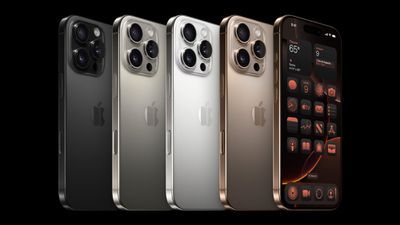
The ‌iPhone 18‌ Pro models will look a lot like the iPhone 17 Pro models, but there could be some changes to the display thanks to new Face ID technology. We're expecting the same 6.3-inch and 6.9-inch size options, with the same bezel, display quality, and rear camera setup with the camera plateau that was introduced in 2025.

Coffee Burgundy and Purple iPhone 18 Pro Mock
Apple may have finally figured out under-screen ‌Face ID‌, so 2026 could be the year that the ‌Dynamic Island‌ disappears, allowing for more screen space. Rumors suggest that the ‌Face ID‌ components will be under the display, but there will be a hole-punch camera cutout at the top left corner of the screen. It will be a noticeably different look compared to the ‌iPhone 17 Pro‌ models, and if the ‌Dynamic Island‌ is indeed going away, there will be some loss of functionality. Apple uses the ‌Dynamic Island‌ to display Live Activities and other important notifications.

Rumors suggest the ‌iPhone 18‌ Pro Max could be slightly thicker than the 17 Pro Max, and there's also a chance Apple could use a frosted glass material for the ‌MagSafe‌ charging area to reduce the two-tone appearance between the glass and the aluminum frame. Rumored color options include burgundy, brown, and purple, but Apple is expected to choose just one to go along with more traditional colors like silver.

With the ‌iPhone 18‌ Pro models, Apple is expected to introduce its first chip built on a new 2-nanometer node, the A20. With an updated process, the A20 chip could be up to 15 percent faster than the A19, and up to 30 percent more power efficient, perhaps leading to battery life improvements. Apple is also rumored to be implementing a new packaging technology (Wafer-Level Multi-Chip Module, WL-MCM).

Apple currently uses an SoC that integrates the CPU, GPU, Neural Engine, Secure Enclave, and other supporting components like the Image Signal Processor onto a single die, but RAM is a separate chip that's stacked on top of the SoC during the packaging process. If the A20 is upgraded with WL-MCM technology, RAM will be added at the wafer level (before the wafer is cut into chips) instead of the packaging level (after the wafer is cut), reducing interconnect delays.

With WL-MCM, RAM is more closely integrated with the other chip components, improving memory bandwidth, reducing latency, and boosting efficiency.

The ‌iPhone 18‌ Pro models will continue to feature a triple-lens rear camera setup with Wide, Ultra Wide, and Telephoto lenses, but the main wide-angle lens could get an upgrade. Rumors suggest Apple will add a variable aperture, which would allow users to control the amount of light that's hitting the lens for better performance in low lighting conditions and more control over depth of field. All prior iPhones have had fixed apertures.

Apple might tweak the Camera Control button, eliminating the swipe-based touch gestures and the haptic feedback. It is easy to accidentally change image parameters when taking a photo because of the Camera Control button's swipe controls. Apple added a setting to disable the swipe functionality in iOS 26 after user complaints, but the button might be better off without it.

The ‌iPhone 18‌ Pro could get Apple's C1X modem, or an upgraded C2 modem that supports mmWave 5G. Current ‌iPhone 17 Pro‌ models use Qualcomm modems, but Apple is ready to expand its in-house modem technology to the entire ‌iPhone‌ lineup. An N1 networking chip with combined Wi-Fi 7, Bluetooth 6, and Thread is expected.

Foldable iPhone (September 2026)

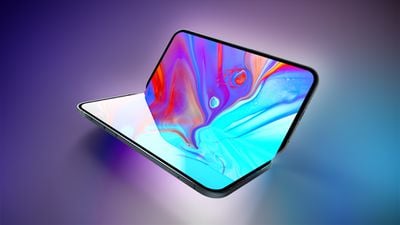
The first foldable ‌iPhone‌ is on track to launch in September 2026, coming seven years after Samsung released its first foldable smartphone. Naming hasn't been announced, but rumors have taken to calling it the "‌iPhone‌ Fold."

iphone fold text
Apple is going with a book-style design, so the ‌iPhone‌ Fold will open and close like a book. When the display is open, it will be around 7.6 inches, and when it's closed, it will be around 5.3 inches. It's said to look similar to an iPad mini when it is unfolded, and it will use OLED display technology.

Apple is prioritizing thinness, and so the foldable ‌iPhone‌ could be just 4.5mm when it's open, making it Apple's thinnest device by far. When closed, it could be between 9mm and 9.5mm.

The foldable ‌iPhone‌ won't have a notch or a ‌Dynamic Island‌, and rumors suggest that it might not have ‌Face ID‌ at all. Apple could instead use a Touch ID side button, similar to an iPad. There will be a camera in the top-left corner of the display for taking selfies, and there will also be a pair of rear cameras.

Apple has been focused on ensuring the ‌iPhone‌ Fold doesn't have a noticeable crease when it's open, a problem that the company has reportedly solved with display improvements and a strong, durable hinge made from Liquidmetal. The crease is said to be "nearly invisible" when the ‌iPhone‌ is unfolded.

Apple will use the 2-nanometer A20 chip for its fall 2026 iPhones, including the foldable ‌iPhone‌.

The ‌iPhone‌ Fold isn't going to be cheap, and rumors suggest the price will be between $2,000 and $2,500. The most recent information is on the higher end of that range.

iPads

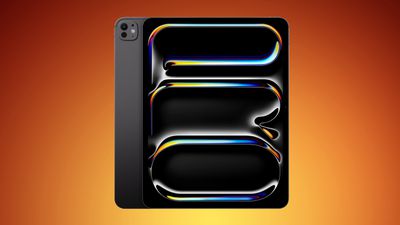
Several iPads are getting updates in 2026, but most will be minor refreshes. The ‌iPad mini‌ is an exception, because rumors say it could get an OLED display. There's no iPad Pro rumored for 2026, with the next update expected in 2027.

iPad (Spring 2026)

A 12th-generation ‌iPad‌ could come out in spring 2026, likely around March. There are no changes expected for the design, so it will continue to have an 11-inch edge-to-edge display, ‌Touch ID‌ Side Button, USB-C, and thicker bezels than other ‌iPad‌ options.

ipad cyber
The next low-cost ‌iPad‌ is expected to use Apple's A19 chip, which is the chip that Apple used for the ‌iPhone 17‌. It is built on a 3-nanometer process and it will offer major speed and efficiency improvements over the A16 chip that's in the current model.

The A16 chip that Apple used in 2025 does not support Apple Intelligence, but the A19 does, so that will mark a major update for Apple's affordable tablet. The 2026 model should be able to support ‌Apple Intelligence‌ features that are unavailable with the 2025 model.

The A19 also offers hardware-accelerated ray tracing and similar features for improved gameplay. The 11th-generation ‌iPad‌ has 6GB RAM, but Apple will need to bump that up to 8GB for ‌Apple Intelligence‌.

It is unusual for Apple to use such a new chip in its most affordable device, but the company may want to ensure that the ‌iPad‌ is able to keep up with all of the ‌Apple Intelligence‌ features coming in 2026, such as the new version of ‌Siri‌.

iPad Air (Spring 2026)

The iPad Air will get an early 2026 update, around the March/April timeframe. No design changes are rumored for the ‌iPad Air‌, so we can expect the same 11-inch and 13-inch size options.

ipad air blue
Apple will upgrade the ‌iPad Air‌ to the M4 chip. The M4 CPU is up to 30 percent faster than the M3 CPU, while the GPU is up to 21 percent faster.

In actual use, you may not see much of a difference between the M3 and M4 on the ‌iPad Air‌, though you might experience modest improvements with system intensive games and tasks like video editing.

The ‌iPad Pro‌ was upgraded with fast charge functionality with the update to the M5 chip, and that's something that could trickle down to the ‌iPad Air‌.

The ‌iPad Air‌ could get the N1 networking chip and the C1X modem.

iPad mini

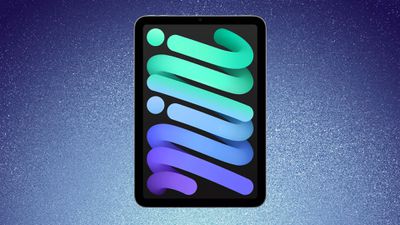
The next-generation version of the ‌iPad mini‌ is rumored to feature a major technology upgrade, with Apple set to adopt an OLED display. The ‌iPad mini‌ will be the second tablet to adopt OLED after the ‌iPad Pro‌.

ipad mini prime day fall
Along with an OLED display, the ‌iPad mini‌ 8 is expected to have a more water resistant design that better holds up to splashes and even submersion in water. Apple is creating a vibration-based speaker system that uses the display or chassis to produce sound, eliminating the need for a traditional speaker.

With the surface vibration speaker, Apple could remove the speaker holes in the ‌iPad mini‌, making it better able to withstand exposure to moisture.

Leaked Apple code suggests that the ‌iPad mini‌ will feature the A20 Pro chip. That's the next-generation chip that we're expecting Apple to use in the ‌iPhone 18‌ Pro models, so if the ‌iPad mini‌ is using the same chip, it could come out around the same time as the ‌iPhone 18‌ Pro.

If Apple ends up going with the A19 Pro instead, the ‌iPad mini‌ could launch earlier in the year.

With OLED display technology and the more water resistant design, the ‌iPad mini‌ 8 could be $100 more expensive than the current model.

Macs

Apple will refresh the Mac lineup with M5 chips early in the year, plus there's a new low-cost model. Later in the year, there's a possibility we'll get an M6 OLED ‌MacBook Pro‌.

Low-Cost MacBook (Early 2026)

Apple is going to release a low-cost MacBook in 2026, with the device set to be more affordable than the $999 MacBook Air. With the affordable notebook, Apple is aiming to better compete with cheap Chromebooks and Windows PCs.

A18 Pro MacBook Thumb
Apple analyst Ming-Chi Kuo believes the low-cost MacBook will have a display that's around 13 inches in size. The ‌MacBook Air‌ has a 13.6-inch display, so the more affordable MacBook could be slightly smaller. It's sounding like it won't be too far off from the 13-inch ‌MacBook Air‌, though.

There are no details on how thick it might be, but Apple probably won't prioritize a thin design for a machine optimized for a low price. Since the ‌MacBook Air‌ can run fine with an M-series chip and no fan in an enclosure that's 0.44 inches thick, there's no reason for the MacBook to be any thicker than that.

The low-cost MacBook will have a standard LCD display with no mini-LED technology or ProMotion refresh rate. It could come in bright colors like the iMac, with Kuo suggesting Apple will offer it in silver, blue, pink, and yellow.

Apple is planning to use its A18 Pro chip in the MacBook. We first saw the A18 Pro in the iPhone 16 Pro models. The chip is built on Apple's second-generation 3-nanometer process, featuring 8GB RAM and support for ‌Apple Intelligence‌.

It's fast and efficient, and more than capable of handling day-to-day tasks. In Geekbench 6 benchmarks, the A18 Pro offers single-core CPU performance scores at the level of the M3 Ultra, and multi-core performance scores higher than the M1 chip that Apple used in the first Apple silicon ‌MacBook Air‌. Metal scores that measure GPU performance are also similar to the ‌M1‌ chip Metal scores.

The A18 Pro will be equivalent to the ‌M1‌ for some tasks, and faster for other tasks. Apple no longer sells the ‌M1‌ ‌MacBook Air‌ from its own store, but it has offered the machine through Walmart at a $599 price point.

There are no specific details on price as of yet, but Bloomberg claims it will cost "well under $1,000." The ‌MacBook Air‌ is priced starting at $999, so it would need to come in under that.

Apple could launch the low-cost MacBook in the first half of 2026. Updates are planned for the ‌MacBook Air‌ in early 2026, so the low-cost model could launch sometime in that same timeframe.

MacBook Air (Early 2026)

Apple is working on an updated ‌MacBook Air‌, and rumors suggest that it will come out in the first few months of 2026. It's going to get the M5 chip, but no other new features are rumored. The design will remain the same, and we'll get the same 13-inch and 15-inch size options.

macbook air prime day 2025
Based on updates to the 14-inch ‌MacBook Pro‌, it could also get a faster SSD, and there might be a new color option to replace the light blue from 2025.

MacBook Pro (Early 2026)

14-inch and 16-inch ‌MacBook Pro‌ models with M5 Pro and M5 Max chips are expected to join the M5 ‌MacBook Pro‌ that came out in October 2025.

macbook pro green
The M5 Pro and M5 Max will have more CPU cores and better GPUs for improved performance, with the chips available in both 14-inch and 16-inch machines. Apple is also expected to add faster SSDs to the new machines.

As with the ‌MacBook Air‌, no design changes are expected for the early 2026 refresh, with a major overhaul coming in the final months of 2026 or the early months of 2027.

Mac mini (Mid-2026)

There is a new version of the Mac mini in development, with M5 and M5 Pro chips. So far, there are no rumors of design changes or other updates, but the ‌Mac mini‌ could get the same SSD improvements as Apple's 14-inch ‌MacBook Pro‌.

mac mini m4 mint

Mac Studio (Mid-2026)

The Mac Studio could come out in the same timeframe as the ‌Mac mini‌. Apple didn't release an M4 Ultra chip, but there will be an M5 Ultra.

mac studio purple
Sometime around the middle of 2026, the ‌Mac Studio‌ will get M5 Max and M5 Ultra chip technology. The M5 Max will offer much faster CPU and GPU performance than the M5, and the M5 Ultra will double the M5 Max.

We haven't heard rumors of design changes or any other updates for the ‌Mac Studio‌ as of yet.

Mac Displays (Early to Mid-2026)

Apple hasn't released a new display since the Studio Display launched in 2022, but there are apparently two new models that are in development and slated for release in 2026.

studio display blue green
The next-generation version of the Studio Display could feature the same 27-inch screen size, but with mini-LED technology instead of LCD. mini-LED means better HDR, brightness, contrast, and colors. The current Studio Display has an A-series chip inside, and the next-generation version could get the A19 Pro that Apple used in the ‌iPhone 17 Pro‌.

There are actually two displays in development, but it's unclear if that's the next Studio Display in two sizes, or a Studio Display and a more expensive Pro Display XDR successor.

OLED MacBook Pro (Late 2026/Early 2027)

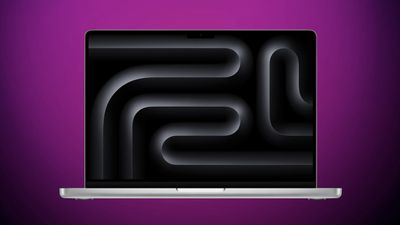
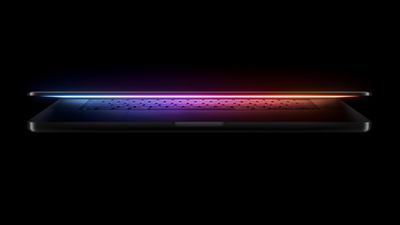
Apple is developing a revamped touchscreen OLED ‌MacBook Pro‌ that uses next-generation M6 chip technology. It's not yet clear if the machine will come out in late 2026 or early 2027, but 2026 is a possibility.

OLED Macbook Pro Feature
If Apple does debut the OLED ‌MacBook Pro‌ in late 2026, it will be a year with two ‌MacBook Pro‌ refreshes. Apple has done that once before when the M2 Pro and ‌M2‌ Max chips launched in early 2023 followed by M3 chips later in the year, but it is a rare occurrence.

Rumors suggest that the OLED ‌MacBook Pro‌ will feature a hole-punch camera without a notch, maximizing the available display area. The design could be closer to the ‌iPhone‌'s ‌Dynamic Island‌, but there is no sign that Apple plans to adopt ‌Face ID‌ on the Mac. Touch integration will be added to the Mac's screen for the first time, and Apple plans to adopt a reinforced hinge that stays stationary when the display is touched, and cuts down on any vibration associated with touch-based gestures.

OLED technology offers better brightness, a higher contrast ratio with deeper blacks and whiter whites, better colors, and less power usage for battery improvements.

The design of the MacBook will also be updated, and it will have a thinner, lighter chassis. There will be a keyboard and trackpad as usual, with the touch gestures augmenting existing functionality.

The M6 could be built on TSMC's 2-nanometer process, introducing speed and efficiency improvements for impressive gains in battery life without compromising power. The OLED ‌MacBook Pro‌ could also be the first MacBook to incorporate 5G connectivity, with Apple including a C2 chip in the device. The C2 chip is Apple's rumored second-generation in-house modem that will support mmWave and sub-6GHz 5G speeds.

With an OLED display and touchscreen technology, the ‌MacBook Pro‌ could see a price increase. Apple may also limit the features to higher-end, more expensive models.

M5 iMac (Timing and Status Unknown)

The ‌iMac‌ could get an M5 chip at some point in 2026, but timing isn't clear. We haven't heard anything about the ‌iMac‌ in some time, and there are no rumors of design changes or major updates on the horizon.

imac cyber
There have been nebulous rumors of an ‌iMac‌ with a larger display, but there's no sign that such a Mac is still in active development.

M5 Max iMac (Timing Unknown)

Leaked internal software suggests that Apple is developing a new version of the ‌iMac‌ that includes an M5 Max chip. Max chips are typically reserved for "Pro" machines, so it's entirely possible that Apple is planning to launch a new ‌iMac‌ Pro at some point in 2026.

iMac Pro Mock Graphic Feature
Nothing else is known about this mysterious ‌iMac‌, and it could also be a machine that Apple uses exclusively for internal testing. If there is a larger-screened ‌iMac‌ in the works, it could feature mini-LED display technology, similar to the rumored Studio Display 2. Sizing is unclear, but it would presumably be larger than the standard 24-inch ‌iMac‌.

Mac Pro (Timing Unknown)

Apple is probably going to release a new Mac Pro at some point, but it's unclear when. Bloomberg originally said a ‌Mac Pro‌ would come before the end of 2025 with some kind of M4 chip, but that didn't happen, so now 2026 or later is the only option.

Mac Pro Feature Blue
It's possible the ‌Mac Pro‌ will get a refresh with the M5 Ultra chip when the ‌Mac Studio‌ does, but we haven't heard confirmation of that and Bloomberg says it's not going to happen. The ‌Mac Pro‌ is reportedly on the back burner at Apple, so no new model could come at all.

If Apple refreshes the ‌Mac Pro‌ this year, it will get Thunderbolt 5, and it will likely support at least 512GB RAM and 16TB storage, because that's what the M3 Ultra chip supports.

Home Products

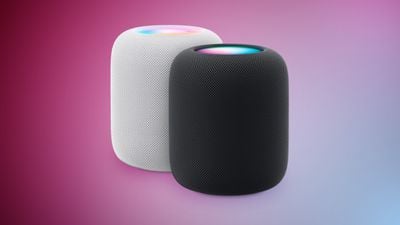
We didn't get a new HomePod mini or Apple TV in 2025, so those are expected in 2026, plus Apple is working on a new home hub device.

Home Hub (March/April 2026)

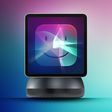
Apple is working on a home hub or "command center" that will serve as a centralized location for controlling smart home products, listening to music, making video calls, getting the weather, looking things up with ‌Siri‌, displaying photos, making notes, viewing calendar events, and more.

Home Hub Command Center with Dome Base Siri Finder Feature
The device has an all-display design that resembles an ‌iPad‌, with a 7-inch display. It's said to be similar in size and shape to two iPhones placed side-by-side, but Apple is designing two variants. The first version is designed to be mounted on a wall, while the second version has a speaker base that looks similar to a ‌HomePod mini‌ and can be placed on a desktop or countertop.

The home hub will have its own operating system, and while there won't be an App Store, Apple apps will be available as widgets.

Built-in sensors will be able to determine when someone is near the home hub, and the features displayed will change based on presence. If no one is by the hub, it might show information like the time and temperature, but if someone approaches, it could shift to an interface for adjusting the temperature.

Presence detection will enable features like turning on the lights when someone enters the room, and it might also be able to tell one person from another. The home hub will play music, and it does have a camera that can be used for video calls.

Touch-based interactions will be available for widgets, but the hub will be heavily reliant on ‌Siri‌ voice commands. ‌Siri‌ could have a personified look on the hub, with one design described as a version of the Mac Finder icon.

While screen-based smart home devices like the Echo Show are available for under $200, Apple could price the home hub somewhere around $350. Price could vary for the version with the speaker base and the wall-mounted version without it.

Apple is aiming to launch the home hub sometime in the March to April 2026 timeframe.

HomePod mini (Early 2026)

A new ‌HomePod mini‌ is ready to launch, and it could launch in early 2026. The ‌HomePod mini‌ 2 will get an updated S-series chip based on the Apple Watch S10, and there will be new color options.

homepod mini purple 2
We haven't heard anything about other features that could come to Apple's small speaker, but no design changes are expected.

Apple TV (Early 2026)

Like the ‌HomePod mini‌, the next ‌Apple TV‌ 4K won't look any different, but it will get an updated A-series chip, like the A17 Pro or A18. The new chip will support ‌Apple Intelligence‌, so the next-generation ‌Apple TV‌ could be more capable than before.

Apple TV Thumb 3
Apple is expected to add the N1 networking chip to the ‌Apple TV‌ with Wi-Fi 7, Bluetooth 6, and Thread support.

The ‌HomePod mini‌ and the ‌Apple TV‌ are linked to Apple's smart home platform and serve as smart home hubs for Matter, the cross-platform protocol that opens up the number of smart home accessories that are compatible with HomeKit.

AirTag 2 (Early 2026)

The AirTag 2 supposedly isn't getting a new design, but it will have an updated Ultra Wideband chip and a speaker that's harder to remove to prevent tampering. Leaked Apple code suggests it will get improved pairing, more detailed battery level reporting, and improvements to tracking AirTags that are moving and in crowded places.

airtag prime day 2

Apple Security Cameras (Late 2026)

Rumors suggest that Apple is designing its own indoor security cameras that will connect to ‌HomeKit‌ and interface with the planned home hub.

eufy 4k indoor camera
Cameras designed directly by Apple would offer unique integrations with Apple devices, and would offer greater privacy than competing devices because of Apple's dedication to privacy and security. The first cameras could come out as soon as late 2026, and we could see other accessories like doorbells follow.

Wearables

Apple could introduce AI smart glasses as soon as 2026, plus we're expecting new Apple Watch models.

Apple Watch Series 12 (September 2026)

No big design updates are expected for the 2026 Apple Watch, and another major design refresh isn't planned until 2028 at the earliest.

apple watch 11 cyber
There are no health features that are ready to go, though Apple is working on non-invasive blood glucose monitoring.

It's been a long time since the Apple Watch got a major processor update, and with the ‌iPhone‌ shifting to a 2nm chip, 2026 could also be the year that the Apple Watch gets a speed boost. Apple could introduce a new S12 chip.

Apple Watch Ultra and Apple Watch SE

Apple doesn't update the Apple Watch Ultra and the Apple Watch SE on an annual basis, so it's not clear if we're going to get new models in 2026 yet.

apple watch ultra 3 blue

AI Smart Glasses (Late 2026 Introduction)

Apple is working on smart glasses that will rival Meta's AI Ray-Bans, and we could see them as soon as 2026. Rumors suggest that Apple will show off the glasses late in the year, but a launch won't happen until 2027.

Apple Glasses Blue Feature
Previewing devices and features early has not worked out well for Apple with the canceled AirPower and the delayed ‌Apple Intelligence‌ ‌Siri‌ implementation, so it's still not clear if an early introduction will happen.

The smart glasses are expected to include cameras, speakers, sensors, and AI integration, but no displays will be included. The glasses will let users do things like take photos, listen to audio, make phone calls, and get answers to questions.

Processing will be done on the ‌iPhone‌, and Apple is aiming to make the glasses a fashion accessory with multiple material and frame options.

AirPods Pro (Late 2026)

Even though the AirPods Pro 3 were just released in 2025, Apple analyst ‌Ming-Chi Kuo‌ believes that another AirPods Pro update is coming in 2026.

airpods pro 3 new blue
The AirPods Pro could get an infrared camera for enhanced spatial audio with the Vision Pro and support for in-air gestures. It's possible the AirPods Pro won't be a new version, but a higher-end update to the ‌AirPods Pro 3‌.

Software

We'll get iOS 27 at WWDC as usual, but the next major update will actually happen in spring when Apple releases iOS 26.4.

iOS 26.4 with LLM Siri (March/April 2026)

Right around March or April, Apple will release iOS 26.4, an update that's expected to introduce some major changes to ‌Siri‌. The software is supposed to include the smarter, more capable version of Siri that Apple debuted way back in June 2024.

Finder Siri Feature
Apple has held off on launching the home hub because it is waiting to debut the smarter, more capable version of ‌Siri‌ that's been in the works since ‌Apple Intelligence‌ features launched in iOS 18. The original plan was for a better version of ‌Siri‌ to come out in an iOS 18 update, but Apple decided ‌Siri‌ just wasn't good enough to do what it wanted.

‌Siri‌ was delayed so Apple could overhaul the underlying architecture that powers the personal assistant. The new ‌Siri‌ will be more similar to ChatGPT or Claude than the ‌Siri‌ of today, incorporating large language models to answer complex queries and complete more complicated tasks.

Here's what Apple originally promised ‌Siri‌ would be able to do with ‌Apple Intelligence‌:

Personal Context

With personal context, ‌Siri‌ will be able to keep track of emails, messages, files, photos, and more, learning more about you to help you complete tasks and keep track of what you've been sent.

  • Show me the files Eric sent me last week.
  • Find the email where Eric mentioned ice skating.
  • Find the books that Eric recommended to me.
  • Where's the recipe that Eric sent me?
  • What's my passport number?

Onscreen Awareness

Onscreen awareness will let ‌Siri‌ see what's on your screen and complete actions involving whatever you're looking at. If someone texts you an address, for example, you can tell ‌Siri‌ to add it to their contact card. Or if you're looking at a photo and want to send it to someone, you can ask ‌Siri‌ to do it for you.

Deeper App Integration

Deeper app integration means that ‌Siri‌ will be able to do more in and across apps, performing actions and completing tasks that are just not possible with the personal assistant right now. We don't have a full picture of what ‌Siri‌ will be capable of, but Apple has provided a few examples of what to expect.

  • Moving files from one app to another.
  • Editing a photo and then sending it to someone.
  • Get directions home and share the ETA with Eric.
  • Send the email I drafted to Eric.

This summer, Apple software engineering chief Craig Federighi said that transitioning ‌Siri‌ to new architecture was a success, and that the personal assistant is going to be an even bigger update than expected.

"The work we've done on this end-to-end revamp of ‌‌Siri‌‌ has given us the results we needed," Federighi told employees. "This has put us in a position to not just deliver what we announced, but to deliver a much bigger upgrade than that we envisioned."

Apple decided to use AI technology from Google, so ‌Siri‌ will in part be powered by a Google Gemini model that Google designed for Apple. ‌Siri‌ will be as capable as Gemini since it is using the same underlying technology, but Apple will run the model on its own Private Cloud Compute server with no information provided to Google.

The new version of ‌Siri‌ is expected to be ready for an iOS 26.4 update planned for the same March or April timeframe rumored for the home hub.

iOS 27, macOS 27 and More

New versions of iOS, macOS, and Apple's other software platforms will be previewed in June at WWDC before launching in September. New ‌Apple Intelligence‌ features are expected thanks to the improved ‌Siri‌ that Apple will be rolling out in the months ahead of WWDC.

iOS 27 Mock Quick
‌Apple Intelligence‌ could be used for nutrition planning and medical suggestions, as part of a new paid Health+ service that's coming out next year. We don't know specifics yet, but ‌Apple Intelligence‌ features could also expand to additional apps.

With iOS 27, Apple could update Siri's design. ‌Siri‌ will get its major overhaul in iOS 26.4, but a new visual look is supposedly planned for iOS 27. There are no specifics about what the redesign might entail, but rumors linked to Apple's upcoming tabletop robot suggest that the company might introduce a version of ‌Siri‌ that's more animated, similar to the Mac Finder logo. That more animated version of ‌Siri‌ could also come to the ‌iPhone‌ and ‌iPad‌.

Apple is working on several new satellite features for the ‌iPhone‌, and some of these could come in iOS 27, though timing is unclear.

  • Apple Maps via satellite
  • Photos in Messages via satellite
  • Satellite API framework for third-party apps
  • Satellite over 5G
  • Satellite connectivity without the need for a view of the sky.

Some of these features could require new hardware, but options like ‌Apple Maps‌ via satellite would not require components beyond what's available now.

There will be new iOS 27 features that are designed for the foldable ‌iPhone‌, such as interfaces and experiences made for a larger screen.

Bloomberg's Mark Gurman has described iOS 27 as a "Snow Leopard" update, suggesting that Apple will focus on improving underlying performance and quality rather than introducing major new functionality.

Read More

Make sure to follow MacRumors.com and the MacRumors roundups and guides over the course of 2026 to keep up with all of the rumors we're hearing. Bookmark our What to Expect Guide and our Events Guide to see a continually updated overview of what's on the horizon.

Apple hasn't updated the Mac Pro since 2023, and according to recent rumors, there's no update coming in the near future. In fact, Apple might be finished with the ‌Mac Pro‌.

Mac Pro Feature Blue
Bloomberg recently said that the ‌Mac Pro‌ is "on the back burner" and has been "largely written off" by Apple. Apple apparently views the more compact Mac Studio as the ideal high-end pro-level desktop, and it has almost replaced the ‌Mac Pro‌.

Apple is working on an M5 Ultra chip that will come out next year, but Bloomberg says the company is only planning to use it in the ‌Mac Studio‌, and not in an updated ‌Mac Pro‌. Apple has no plans to update the ‌Mac Pro‌ in 2026 in a "significant way." If we are truly at the end for the ‌Mac Pro‌, will we see Apple discontinue it when the next-generation ‌Mac Studio‌ launches?

The current ‌Mac Studio‌ has a newer, higher-end M3 Ultra chip that supports more CPU cores, more GPU cores, more maximum storage (16TB vs. 8TB), and more maximum unified memory (512GB vs. 192GB). The ‌Mac Studio‌ can support up to four 8K displays, while the ‌Mac Pro‌ is limited to three, and the ‌Mac Pro‌ doesn't have Thunderbolt 5.

The ‌Mac Pro‌ has fallen behind, and the gap will only increase with the launch of an M5 Ultra ‌Mac Studio‌. The only benefit that the ‌Mac Pro‌ offers over the ‌Mac Studio‌ is PCIe expansion slots. It's heavier, bulkier, and more expensive than the ‌Mac Studio‌ when comparing equivalent RAM and storage. For most people, there's no reason to choose a ‌Mac Pro‌ over a ‌Mac Studio‌, but some of Apple's high-end customers still need the space for things like RED capture cards and specialized audio interfaces.

Over the years, Apple has struggled with meeting the needs of pro users who want a desktop. The now-infamous "trash can" ‌Mac Pro‌ that came out in 2013 prioritized design over functionality, and the machine ended up being a failure. Apple was criticized for misunderstanding its pro user base because there was no space for internal upgrades like additional GPUs.

Apple was never able to update the trash can ‌Mac Pro‌ because it wasn't thermally capable of supporting rapidly evolving GPUs. In 2019, Apple unveiled a modular ‌Mac Pro‌ that had a more traditional enclosure able to support expansion with eight PCIe slots and three impeller fans. Apple did update the ‌Mac Pro‌ a couple of times after that, but it has once again been sidelined.

Apple is still selling the M2 Ultra version of the ‌Mac Pro‌ and it hasn't been discontinued or removed from the company's website. Until it's officially discontinued, there's a chance we could get another ‌Mac Pro‌ at some point in the future, but it doesn't sound like 2026 will be the year.

Related Roundup: Mac Pro
Buyer's Guide: Mac Pro (Neutral)
Related Forum: Mac Pro

Apple today added the final 13-inch MacBook Air powered by Intel processors, the Apple Watch Series 5, and additional products to its vintage products list. The iPhone 11 Pro was also added to the list after the iPhone 11 Pro Max was added back in September.

macbook air march 2020
The full list of products added to Apple's vintage and obsolete list today:

  • MacBook Air (Retina, 13-inch, 2020)
  • iPhone 8 Plus 128GB - other capacities were already vintage
  • iPhone 11 Pro
  • iPad Air 3, Wi-Fi + Cellular - Wi-Fi-only models not yet vintage
  • Apple Watch Series 5, Aluminum, 40mm
  • Apple Watch Series 5, Aluminum, 44mm
  • Apple Watch Series 5, Ceramic, 40mm
  • Apple Watch Series 5, Ceramic, 44mm
  • Apple Watch Series 5 Hermes, 40mm
  • Apple Watch Series 5 Hermes, 44mm
  • Apple Watch Series 5 Nike, 40mm
  • Apple Watch Series 5 Nike, 44mm
  • Apple Watch Series 5, Stainless Steel, 40mm
  • Apple Watch Series 5, Stainless Steel, 44mm
  • Apple Watch Series 5, Titanium, 40mm
  • Apple Watch Series 5, Titanium, 44mm

The final Intel MacBook Air was introduced in March 2020 and featured a 1.1GHz dual-core Intel Core i3, 1.1GHz quad-core Intel Core i5, or 1.2GHz quad-core Intel Core i7 processor, depending on configuration. It only remained on the market for eight months before it was discontinued when Apple debuted the M1 MacBook Air in November of that year as part of its initial Apple silicon launch.

Apple considers a device to be vintage after more than five years have passed since the company stopped distributing it for sale. Apple and Apple Authorized Service Providers may offer repairs for vintage devices, but only if parts remain available.

In addition to the newly vintage products, Apple today shifted the special-edition Beats Solo3 Wireless headphones released in 2018 to celebrate the 90th anniversary of Mickey Mouse from the vintage list to the obsolete list.

Apple considers a device to be obsolete once more that seven years have passed since it was offered for sale, and hardware service is generally unavailable for those devices. Mac laptops are, however, eligible for an extended battery-only repair period of up to 10 years from the date of discontinuation, subject to parts availability.

Apple's AirTag 4-Pack has dropped to $64.98 this week on Amazon, down from the original price of $99.00. Free shipping options have a delivery estimate around January 5, while Prime members should be able to get it delivered a few days sooner.

airtag sparkleNote: MacRumors is an affiliate partner with Amazon. When you click a link and make a purchase, we may receive a small payment, which helps us keep the site running.

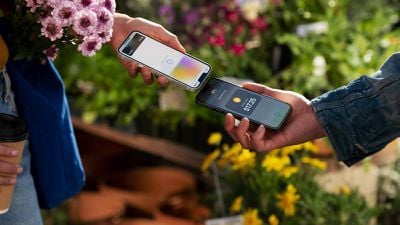

Overall, this is a solid second-best price on the AirTag 4-pack that's within $2 of the Amazon all-time low price, which we last tracked during Black Friday. If you're shopping for a single AirTag, Amazon has the AirTag 1-Pack for $19.00, down from $29.00.


If you're on the hunt for more discounts, be sure to visit our Apple Deals roundup where we recap the best Apple-related bargains of the past week.


Deals Newsletter

Interested in hearing more about the best deals you can find this holiday season? Sign up for our Deals Newsletter and we'll keep you updated so you don't miss the biggest deals of the season!

Related Roundup: Apple Deals

Apple plans to enter the foldable smartphone market in September 2026, debuting its first foldable iPhone. We've heard multiple rumors about the design of the upcoming device, but little has been revealed about the operating system or the software features.

iphone fold text
Rumors suggest the ‌iPhone‌ Fold will be around 5.4 inches when closed, and approximately 7.6 inches when open, giving it a 4:3 aspect ratio. We did a video featuring a rough ‌iPhone‌ Fold mockup at those dimensions yesterday, which provides an idea of what the device will look like.


When unfolded, the upcoming ‌iPhone‌ will be bigger than any ‌iPhone‌ to date, and not too far off in size from the original iPad mini. The current ‌iPad mini‌ has an 8.3-inch screen size, but the first models had a 7.9-inch display.

Since the ‌iPhone‌ Fold's inner display will be close to an iPad in size, will it run iOS or iPadOS? Will it work like a standard ‌iPhone‌ when the display is closed, and an ‌iPad‌ when it's open? Or will it get something in between?

We haven't heard much about iOS 27 as of yet or what Apple has in store for the ‌iPhone‌ Fold, so it's still a mystery. Bloomberg's Mark Gurman says that iOS 27 will lay the foundation for the foldable ‌iPhone‌ and future foldables, but that's about it.

With a larger display, the ‌iPhone‌ Fold will probably support some kind of split screen view or multitasking option, perhaps even adopting Slide Over. Apple Pencil support for a 7.6-inch display could make sense, but the ‌iPhone‌ Fold's display will be an awkward middle size between an ‌iPhone‌ and an ‌iPad‌. We haven't heard rumors that the ‌iPhone‌ Fold will work with the ‌Apple Pencil‌, but we also haven't heard rumors that it won't.

‌Apple Pencil‌ support could be useful for quick note taking, sketches, signing documents, editing photos and videos, and more. Steve Jobs famously said "Nobody wants a stylus," but in the years since he touted the ergonomics of the finger, the stylus has evolved. The ‌Apple Pencil‌ isn't one of the tiny plastic pens or imprecise rubber-tipped styluses that were around back in 2007 when Jobs commented on them. It's a writing implement that accurately mimics a pen or a pencil, and it feels natural to use.

Samsung's foldables supported the optional S Pen for many years, but the latest Galaxy Z Fold7 dropped the feature for a thinner and lighter design, which might not bode well for Apple offering the functionality. Rumors suggest the ‌iPhone‌ Fold is going to be somewhere around 4.5mm thick when unfolded, which will make it thinner than Apple's 5.1mm iPad Pro, the thinnest Apple device to date.

Some dedicated Samsung Galaxy Fold users are unhappy with the feature's removal, so there are definitely foldable smartphone customers out there who like the flexibility of being able to use a stylus. Rumors suggest that Samsung is considering bringing S Pen support back to the next-generation Galaxy Fold, which will, coincidentally, have a shorter, wider design to match the iPhone Fold. If Apple implements ‌Apple Pencil‌ support and Samsung doesn't, it's possible Apple will draw some switchers who don't want to use a foldable without a pen option. The opposite is also a possibility, so Apple could lose customers who don't want a foldable without a pen.

Google didn't design a stylus for the Pixel Fold, but it did implement support for the Universal Stylus Initiative (USI), so the device works with third-party USI pens. USI pens don't have the same functionality as the ‌Apple Pencil‌, lacking features like pressure sensitivity, but the basic stylus functionality is there for those who want it.

Apple could do something similar to Google. Add support for the ‌Apple Pencil‌ for those who want it, without making it a primary marketing point. That would make the ‌Apple Pencil‌ available for those who want the extra functionality, but it wouldn't be a necessity. Apple could also design an ‌iPhone‌ Fold-specific ‌Apple Pencil‌ that is sized to the device and able to be charged with it, but it all depends on how Apple wants to market the ‌iPhone‌ Fold.

If it's marketed as an ‌iPhone‌, ‌Apple Pencil‌ support is unlikely. Apple has long championed a touch-first approach, and no ‌Apple Pencil‌ support for the ‌iPhone‌ clearly separates it from the ‌iPad‌. If it's marketed as an ‌iPhone‌ and ‌iPad‌ hybrid device, ‌Apple Pencil‌ support seems like more of a possibility.

Apple might not be able to implement ‌Apple Pencil‌ support at all because of technical limitations. Rumors suggest that the ‌iPhone‌ Fold is so thin that it doesn't have the space for the TrueDepth camera hardware for Face ID, so Apple is instead adding a Touch ID button to the device. With space at such a premium, a digitizer layer for the ‌Apple Pencil‌ is probably impossible. Apple also needs to take into account how an ‌Apple Pencil‌ would impact ‌iPhone‌ Fold features like the crease in the middle, and that might add too much complication.

Even if the first-generation ‌iPhone‌ Fold doesn't get ‌Apple Pencil‌ support, it could be a feature that Apple adds in the future as display technology improves.

Do you want ‌Apple Pencil‌ support for the ‌iPhone‌ Fold? Let us know in the comments below.

The Apple Fitness+ Instagram account today teased that the service has "big plans" for 2026. In a video, several Apple Fitness+ trainers are shown holding up newspapers with headlines related to Apple Fitness+.

apple fitness 2026 1

  • What's Apple Fitness+ Planning for the New Year?
  • Something Big is Coming to Apple Fitness+
  • The Countdown Begins. Apple Fitness+ 2026 is Almost Here
  • 2026 Plans Still Under Wraps-For Now

There are rumors that an AI-based Health+ service will be introduced at some point in 2026, but the Apple Fitness+ post may simply be referencing some kind of fitness program or fitness promotion that's designed to help people meet their New Year's Resolutions. It sounds like an announcement is planned for January 1, 2026.

The Health+ service that's in the works will supposedly incorporate AI for personalized health recommendations and health coaching. Health+ will rely on the LLM version of Siri that Apple has planned, which isn't expected until iOS 26.4 in the spring, so we're probably not hearing about the service in January.


Apple has a "Ring in the New Year" Apple Watch activity challenge that kicks off on January 1, so the Fitness+ announcement could be related to that.

This holiday season, Apple donated $5 to The Global Fund for every purchase made using Apple Pay on Apple.com, the Apple Store app, and Apple retail stores in the U.S. and other countries.

Apple Pay RED
The Global Fund this week said that Apple raised a total of $3 million for the organization, which is dedicated to fighting HIV/AIDS, tuberculosis, and malaria in developing countries.

Apple capped donations at $3 million, so that means Apple customers raised the total possible amount through their purchases. Apple ran the promotion from November 28 through December 7 to fund critical health programs that save lives.

Apple has long supported The Global Fund with similar promotions and through sales of devices manufactured in (PRODUCT)RED colors. Apple has not offered any of its iPhones or accessories in (PRODUCT)RED colorways since the launch of the 2022 iPhone 14 models, but it does raise money each December in honor of World AIDS Day.

Apple has raised more than $250 million for The Global Fund during its 19-year partnership with the (RED) brand.

Note: Due to the political or social nature of the discussion regarding this topic, the discussion thread is located in our Political News forum. All forum members and site visitors are welcome to read and follow the thread, but posting is limited to forum members with at least 100 posts.

iPhone 17 Pro and Pro Max owners are having trouble with the speakers of their devices, and have complained about a static or hissing noise that occurs when the iPhone is charging.

iphone 17 pro dark blue 1
There are multiple discussions about the issue on Reddit, the MacRumors forums, and Apple's Support Community, where affected users say there is a noticeable static noise "like an old radio." Some people report hearing it when playing audio and turning the volume down, while others say the static is audible without anything playing from the speakers. In some cases, there is a low crackle or a hiss when scrolling through webpages when the ‌iPhone‌ is charging, and some people hear the noise at low volumes even when the ‌iPhone‌ isn't on a charger.

Affected users report that the noise can be heard with chargers of all types, including Apple's official chargers. MagSafe charging causes the problem as well, but users report that the static noise is quieter. Unplugging the ‌iPhone‌ from the charger eliminates the sound for users who are experiencing the static noise when charging.


Some ‌iPhone 17 Pro‌ users have exchanged their devices for new ones, but have run into the same issue.

One Reddit user has been in contact with Apple support, and says the issue has been forwarded to Apple engineers. Apple is apparently working on a fix, but the iOS updates that have been released so far do not appear to solve the problem. The sound is subtle according to most reports, so it may be a widespread issue that only those sensitive to the noise have noticed.

Apple's restrained artificial intelligence strategy may pay off in 2026 amid the arrival of a revamped Siri and concerns around the AI market "bubble" bursting, The Information argues.

apple intelligence black
The speculative report notes that Apple has taken a restrained approach with AI innovations compared with peers such as OpenAI, Google, and Meta, which are investing hundreds of billions of dollars in data centers, chips, and large language model training. This has fueled criticism that Apple is falling behind in the AI space, particularly as Siri has significantly lagged behind more advanced, capable, and reliable conversational systems.

The report argues that market sentiment toward AI spending is beginning to show signs of skepticism, with questions emerging over whether such large investments can be justified by near-term revenue. Against that backdrop, Apple's decision to limit AI-specific capital expenditures has left it with more than $130 billion in cash and marketable securities, giving the company the option to pursue acquisitions or partnerships if valuations of AI startups fall.

Apple's biggest AI-related move in 2026 will be the long-anticipated overhaul of ‌Siri‌, which is expected to arrive in the spring. The updated assistant is set to be more conversational and capable of completing multi-step tasks. To power it, Apple is believed to be adopting Google's Gemini, reflecting an internal view that large language models may become commoditized and not worth the cost of large-scale proprietary development.

The iPhone is said to be a key strategic advantage. Unlike AI companies that rely on standalone apps or web services, Apple can distribute AI features directly through software updates and system-level integrations across its devices. Efforts by AI companies to build competing hardware face major challenges in manufacturing, distribution, and ecosystem development, areas where Apple has very strong footholds.

The Information also points to recent leadership changes as part of Apple's effort to refocus its AI work. ‌Siri‌ has been placed under Mike Rockwell, who was responsible for launching the Vision Pro headset, following significant delays to the assistant's overhaul. In addition, Apple's AI chief John Giannandrea announced his retirement earlier in December, with parts of his organization redistributed into product-focused teams amid internal concerns about a lack of clear product direction.

While Apple has a history of early but uneven AI efforts, including the original launch of ‌Siri‌ in 2011, The Information argues that these shortcomings have not materially harmed its core businesses. 2026 may be an inflection point in which Apple's cautious strategy could appear prescient if enthusiasm for large-scale AI spending continues to cool and the company finally delivers a more capable version of ‌Siri‌.

Anyone shopping for portable power stations can find up to 65 percent off Anker and Jackery's best accessories this week. Each retailer is hosting a New Year's sale for its most popular charging accessories, with major savings on these high-priced power stations that match Black Friday prices in many cases.

Jackery

jackery new snowNote: MacRumors is an affiliate partner with Jackery and Anker. When you click a link and make a purchase, we may receive a small payment, which helps us keep the site running.
Jackery's event has up to $3,600 off select portable power stations this week. This includes everything from the smaller Explorer 500 to Jackery's line of HomePower Solar Generators that can power essential home electronics for as long as 30 days.

Anker SOLIX

anker solix holiday

Similar to Jackery, Anker SOLIX is hosting a sale that has up to 65 percent off select portable power stations. Overall, Anker SOLIX has a few more affordable options coming in under $500, as well as numerous high-end stations with various accessories like solar panels and expandable batteries.

If you're on the hunt for more discounts, be sure to visit our Apple Deals roundup where we recap the best Apple-related bargains of the past week.


Deals Newsletter

Interested in hearing more about the best deals you can find this holiday season? Sign up for our Deals Newsletter and we'll keep you updated so you don't miss the biggest deals of the season!

Related Roundup: Apple Deals

Apple this week revealed its annual New Year Sale in Japan, offering Apple Gift Cards worth up to ¥38,000 alongside a free limited-edition AirTag for qualifying iPhone purchases.

apple japan nye airtag
The ‌AirTag‌ features a special engraving of a Daruma, a traditional Japanese talisman commonly associated with perseverance, good fortune, and the achievement of goals. The ‌AirTag‌ offer is limited to 65,000 units in total and will be distributed on a first-come, first-served basis.

Customers can receive gift cards worth up to ¥12,000 for eligible ‌iPhone‌ purchases, up to ¥38,000 for Mac purchases, and up to ¥15,000 for iPad purchases. Apple Watch purchases qualify for gift cards worth up to ¥8,000, while AirPods purchases are eligible for gift cards valued at up to ¥12,000.

The promotion will run from January 2 through January 5 and is available through Apple retail stores and the Apple Online Store in Japan. The New Year Sale has become a recurring annual event for Apple in Japan, where holiday retail traditions differ from those in the United States and Europe.

Tag: Japan

2025 was a significant year of advancement for Apple's software, with a noticeable focus on visual design, productivity, and communication.

iOS 26 Glass Feature
While Apple introduced and continued to iterate on a wide range of features throughout the year, several additions stood out for their scope and practical impact across multiple devices. As the year comes to an end, these five new features provide a useful lens for weighing up what the company focused on this year and how far its platforms evolved in 2025.

Liquid Glass

This year's most immediately visible change is the introduction of Liquid Glass, a new system-wide visual design language applied across Apple's operating systems. Liquid Glass replaces many of the flat, opaque UI elements introduced over the past decade with layered translucency, subtle refraction, and motion-responsive surfaces that react to underlying content.

Liquid Glass General Feature
Navigation bars, sidebars, control panels, and system overlays now appear as semi-transparent sheets that blend into their surroundings rather than sitting on top of them. Apple framed this as a unifying material across platforms rather than a purely aesthetic refresh, with the same visual logic appearing on iPhone, iPad, Mac, Apple Watch, and Apple TV.

In practice, it is one of Apple's biggest visual redesigns since the original iOS 7 shift away from skeuomorphism, and it signals a renewed focus on making the interface feel fresh, spatial, playful, and responsive rather than static.

Revamped iPad Multitasking

On the ‌iPad‌, the most consequential change is the introduction of an all-new multitasking system with windows and a macOS-style Menu Bar and cursor in iPadOS 26.

iPadOS 26 App Windowing
Apps can now run in freely resizable windows rather than being constrained to fixed split-screen layouts, allowing multiple overlapping windows to coexist on screen. Alongside this, a Menu Bar appears at the top of the display when invoked, exposing app commands in a structured, searchable format similar to macOS.

Instead of asking users to adapt desktop workflows to a touch-first model, Apple has now explicitly imported desktop interaction styles into iPadOS, addressing a significant number of user complaints about the software limitations of the ‌iPad‌. For users who want to use the ‌iPad‌ with true multitasking and desktop-style workflows, this is one of the most substantive capability upgrades the platform has ever received.

More Powerful Mac Spotlight

On the Mac, Spotlight received its most extensive overhaul to date, transforming it from a passive search tool into an actions-first command interface, similar to third-party apps like Alfred or Raycast.

tahoe spotlight
Spotlight in macOS Tahoe can now execute hundreds of actions directly from the search field. Users can create and edit notes, send emails and messages, start timers, run Shortcuts, adjust system settings, and perform app-specific commands, without opening the corresponding app.

Apple also redesigned Spotlight's results presentation with richer, more structured browsing views. Instead of returning a flat list of matches, Spotlight now surfaces grouped results for files, applications, actions, and suggestions, allowing users to scan and refine results more quickly.

Spotlight now includes a built-in clipboard history, allowing users to view and reuse previously copied text or images directly from the Spotlight interface. Apple also integrated an app library-style view, providing a centralized, searchable overview of all installed applications.

Live Translation

Another major addition is Live Translation. Real-time translation now operates inside Messages, FaceTime, and the Phone app, translating both text and spoken audio during conversations.

AirPods Live Translation

In Messages, incoming and outgoing text can be translated inline. In ‌FaceTime‌, Live Translation provides real-time translated captions during video calls, allowing participants to speak naturally while reading translations as the conversation unfolds. In phone calls, spoken dialogue can be translated in near real time, with translated audio and on-screen text presented during the call.

Apple also extended Live Translation to AirPods, enabling real-time spoken translation directly through the earbuds during in-person conversations. When Live Translation is active, speech from another language can be translated on the paired ‌iPhone‌ and played back in the user's AirPods, while the user's responses can be translated and spoken aloud by the ‌iPhone‌ for the other participant.

Communication Screening and Hold Assist

Call Screening allows the ‌iPhone‌ to automatically answer calls from unknown numbers on the user's behalf. The system asks the caller to identify themselves and explain the reason for the call, then presents the user with a live transcript of the response before the call is connected.

With Hold Assist, when a user is placed on hold during a phone call, the ‌iPhone‌ can remain in the queue on their behalf and monitor the call until a live agent becomes available. Once the system detects that the call has resumed, it notifies the user to return to the conversation.

In Messages, Apple introduced more aggressive screening for unknown senders. Messages from numbers that are not in the user's contacts are automatically routed into a separate area, keeping potential spam and scam attempts out of the main conversation list.

Ahead of 2026 and associated New Year's resolutions, Apple has started sharing new social media ads focused on the Apple Watch as a motivational tool.

In a series of "quit quitting" spots, Apple Watch owners run away from a bed, a recliner, and a bar stool. Each spot includes a glimpse of the Apple Watch Workout app and messages that the device provides while running. The Apple Watch is able to provide updates on pace and activity segment, as well as alerts when activity rings are closed.

Each ad ends with the tagline "Don't Give In," and one ad also says that most people have quit their resolutions by January 9. Each ad is titled "Quit quitting with Apple Watch."

Apple has been sharing the ads on social media, and they've also been uploaded to YouTube Shorts.

Over the last few weeks, iRobot has added Matter support to more of its Roomba robot vacuums, allowing them to be integrated with the Home app and used with Siri voice commands.

irobot roomba vacuum
Matter integration has been available for the Roomba Combo 10 Max since earlier this year, but existing Roomba Plus 500 Combo, Roomba Max 700 Vac, and Roomba Max 700 Combo vacuums can get Matter support through a firmware update. Matter has not yet been re-added for the Roomba Combo J7 and J9.

Matter-enabled Roomba vacuums can be added to the Home app on devices running iOS 18.4 or higher, as long as a Home hub is available (Apple TV or HomePod). The Home app doesn't support the full suite of features available with robot vacuums, but basic commands are available. Vacuums can be set to vacuum and mop an entire home, or a specific room or area with ‌Siri‌ voice commands.

Once added to the Home app, a Roomba vacuum with Matter can be set to clean automatically with automations and can integrate with other HomeKit devices. You could, for example, set the Roomba to vacuum whenever you leave the house, or at a certain time. Automations can be triggered by presence, time, sensors, or when an accessory like a light is activated.

Apple added support for Matter-connected robot vacuums in iOS 18.4 earlier this year. Several companies have since come out with Matter options, including Roborock, Ecovacs, Switchbot, and Roomba.

iRobot's added Matter support comes as the company filed for Chapter 11 bankruptcy earlier in December. iRobot has been sold to Picea Robotics, a Chinese company that already manufactures some of the Roomba devices. The acquisition is expected to be completed by February 2026, and iRobot says there will be no disruption in app functionality, product support, or customer programs.

Going forward, iRobot will remain a private company owned by Picea, and the Roomba brand will continue with new models planned for the future.

(Thanks, Max!)

Amazon and Best Buy this week have all-time low prices on the Apple Watch Series 11, with $100 discounts across numerous models of the smartwatch. These discounts beat the Black Friday prices we saw last month by about $30.

apple watch series 11 glitter blueNote: MacRumors is an affiliate partner with Amazon. When you click a link and make a purchase, we may receive a small payment, which helps us keep the site running.

You can get the 42mm GPS Apple Watch Series 11 for $299.00, down from $399.00, and the 46mm GPS model for $329.00, down from $429.00. On Amazon, you'll find three of the 42mm GPS models on sale at this all-time low price, and three of the 46mm GPS models on sale.


If you're shopping for cellular models, you can find record low prices on multiple models this week on Amazon. The 42mm cellular Apple Watch Series 11 has hit $399.00, down from $499.00, and the 46mm cellular model has hit $429.00, down from $529.00.


Head to our full Deals Roundup to get caught up with all of the latest deals and discounts that we've been tracking over the past week.


Deals Newsletter

Interested in hearing more about the best deals you can find this holiday season? Sign up for our Deals Newsletter and we'll keep you updated so you don't miss the biggest deals of the season!

Related Roundup: Apple Deals

Apple is rumored to be introducing a foldable iPhone in September 2026, and since it will bring the biggest form factor change since the ‌iPhone‌ was introduced in 2007, curiosity about the design is high. A 3D designer created an iPhone Fold design based on rumors, and we printed it out to see how it compares to Apple's current iPhones.


The foldable ‌iPhone‌ is going to be smaller than any current ‌iPhone‌ when it's closed, and it'll be shorter than Samsung's Galaxy foldables. Rumors suggest it'll be somewhere around 5.4 inches, which would make it as small as the now-discontinued ‌iPhone‌ 13 mini.

When open, the ‌iPhone‌ Fold will be somewhere around 7.6 inches. It'll be smaller than the iPad mini, but the display will be larger than any ‌iPhone‌ to date. The ‌iPhone‌ Fold will be short and wide, for a book-like form factor and usage experience with a 4:3 aspect ratio.

We don't know the dimensions of the foldable ‌iPhone‌ yet, and rumors vary somewhat, so the 3D print isn't an exact representation of the device that Apple has in the works. The 3D model was based on a mockup created by MacRumors reader iZac, who based his design on rumors that were circulating in May. He mocked up a 5.49-inch display when the ‌iPhone‌ is closed, and a 7.76-inch display when it's open. There are no sizing rumors that are significantly off from those figures, but we've heard 5.3 to 5.5 inches for the outer (closed) display, and 7.6 to 7.8 inches for the inner (open) display.

iZac's design also uses a 4.8mm thickness for the device when it's unfolded, and rumors about thickness vary too. It could be 4.8mm, or it could be as thin as 4.5mm.

The hinge on the 3D print is just a stand-in, because we don't know what Apple's hinge will look like. Rumors suggest that Apple spent a lot of time and effort creating a hinge that will make the crease between the two halves of the device almost invisible. We also don't know what the camera area will look like.

Even though the 3D print isn't a spot on representation of the device that Apple is planning to launch, it's close enough to the rumors to provide a good idea of how the ‌iPhone‌ Fold will look and feel in the hand.

Do you plan to get an ‌iPhone‌ Fold? Let us know in the comments below.

Apple has asked the UK Court of Appeal to overturn a £1.5 billion ($1.76 billion) antitrust ruling that found the company overcharged millions of App Store users, escalating one of the most significant competition cases ever brought against the company in the country (via The Guardian).

app store blue banner uk fixed
The application follows a decision in October by the UK Competition Appeal Tribunal (CAT), which concluded that Apple abused its dominant position by charging excessive commissions on ‌App Store‌ purchases between 2015 and 2024. The tribunal found that Apple's control over app distribution on iPhones and iPads allowed it to impose commission rates of up to 30% that were higher than would have prevailed in a competitive market, resulting in consumer harm estimated to be worth £1.5 billion.

The case was raised as a collective action on behalf of approximately 36 million British consumers. Under UK collective proceedings law, eligible consumers are automatically included unless they opt out, meaning that anyone in the UK who made ‌App Store‌ purchases during the relevant period could be entitled to compensation if the ruling stands.

In its judgment, CAT said Apple should have charged lower commissions, estimating that rates of around 17.5% on app sales and 10% on in-app purchases would have been more appropriate. The tribunal acknowledged that this assessment relied on "informed guesswork" based on the evidence presented.

Apple strongly disputes that approach. After the October ruling, the company sought permission from CAT to appeal, but the tribunal refused in November, concluding that Apple had not met the legal threshold to challenge its decision. Apple has now applied directly to the Court of Appeal, which has the authority to grant permission even where CAT has declined.

Apple said it disagrees with the ruling and argues that the tribunal took a flawed view of the app economy. In a previous statement responding to the decision, the company said the ‌App Store‌ operates in a "thriving and competitive app economy" and provides developers and consumers with security, privacy protections, and access to a large marketplace. Apple also noted that most developers now pay a reduced 15% commission and that the ‌App Store‌ facilitated more than $55 billion in sales in the UK last year.

If Apple's appeal is rejected and the ruling is upheld, the £1.5 billion award will be distributed among eligible UK consumers, with individual payouts likely to be relatively small but collectively significant.

Note: Due to the political or social nature of the discussion regarding this topic, the discussion thread is located in our Political News forum. All forum members and site visitors are welcome to read and follow the thread, but posting is limited to forum members with at least 100 posts.

Apple now has additional time to allow for tariffs on Chinese semiconductors, thanks to a delay on any actual cost impact until June 2027.

apple silicon feature joeblue
While the United States will still apply new tariffs on semiconductor imports from China, the effective tariff rate will be set at zero for approximately 18 months, according to a Federal Register filing (via CNBC). The tariff rate will increase on June 23, 2027, with the specific percentage to be announced at least 30 days in advance.

For Apple, the decision removes the near-term risk of higher import costs on a wide range of chips used across its products. While Apple designs its own A-series and M-series processors, which are manufactured by Taiwan Semiconductor Manufacturing Company in Taiwan, the company continues to rely on China-based suppliers for many other semiconductor components, including power management integrated circuits, display driver chips, connectivity controllers, and various supporting logic chips embedded throughout its devices. Many of those components would fall within the scope of the China-specific semiconductor tariff once the rate increases in 2027.

Although the tariff is technically being imposed immediately, the zero percent rate functions as a delay mechanism rather than a suspension. This preserves the legal and regulatory framework needed to raise tariffs at a later date, reducing immediate trade friction while retaining leverage in future negotiations, and provides clarity to firms like Apple amid long-term supply chain decisions.

The timing is particularly significant for Apple because of its ongoing efforts to diversify manufacturing and sourcing beyond China. Apple previously faced concerns about a potential 100% semiconductor import tariff. In August, Apple committed $600 billion toward domestic manufacturing and infrastructure efforts.

Note: Due to the political or social nature of the discussion regarding this topic, the discussion thread is located in our Political News forum. All forum members and site visitors are welcome to read and follow the thread, but posting is limited to forum members with at least 100 posts.