The Wall Street Journal's Rolfe Winkler this week reported that flash storage suppliers once "bullied" by Apple have been "getting their revenge" on the company over the past year due to a severe memory chip shortage, which stems from AI companies building out massive data centers that utilize significant amounts of flash storage and RAM.
As the iPhone took off, Apple became the world's largest buyer of flash storage, and naturally that gave the company a lot of leverage in negotiations.
The report goes into detail about some of the hardball tactics that were employed by Apple and its former head of procurement, Tony Blevins.
"After ordering flash at rock-bottom prices, Apple would refuse delivery at times if flash prices were falling," the report said. "That left suppliers holding piles of unsold chips, including ones custom-made for Apple. Kioxia executives joked they felt like Charlie Brown trying to kick the football—with Lucy always pulling it away."
Based in Japan, Kioxia was previously known as the Toshiba Memory Corporation.
Apple is also said to have "bullied flash makers into opening their books so it could monitor sales, making sure no one else got a better deal."
The report shared another example involving flash storage supplier Sandisk. Apple's other suppliers, such as SK Hynix and Samsung, were not mentioned.
"Around the end of 2015, Sandisk refused Apple's requests to send additional supply because it already had customers willing to pay more," the report said. "Blevins threatened a Sandisk salesman with retaliation, saying he would have Sandisk's chief executive, Sanjay Mehrotra, 'crawl on his knees' back to Apple, according to a person familiar with the call."
Things changed when the AI era arrived.
"Two years ago, Apple bought nearly twice the flash storage of Microsoft, Amazon, Meta and Google combined, according to TechInsights estimates," the report said, citing a research firm. "Hyperscalers are now buying double Apple's share."
Much of the "revenge" has been passed on to customers, as Apple has raised prices on more than a dozen products this year, including iPhones, iPads, Macs, HomePods, the Apple TV, and more, with the company attributing these increases to the memory chip shortage. Apple's former CEO Tim Cook said price increases were "unavoidable."
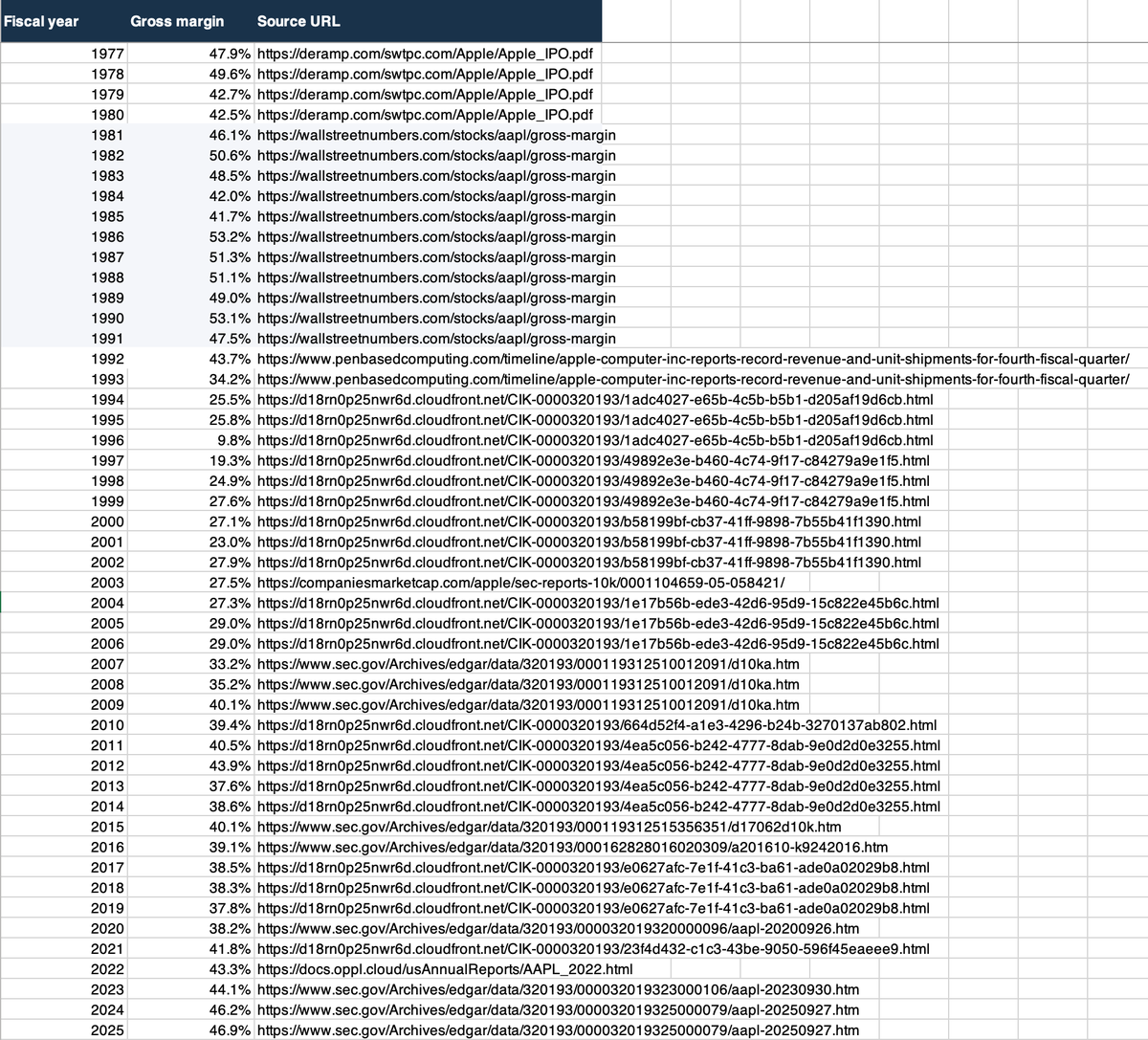
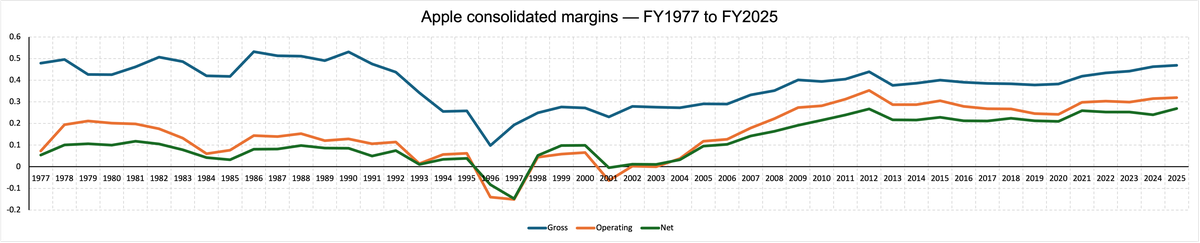
Apple is not completely immune, though. Higher prices could result in lower demand, and the report said its profit margins on storage upgrades have been impacted. For example, TechInsights estimated that Apple makes a gross profit of $134 when a customer spends $200 to upgrade an iPhone 18 Pro from 256GB to 512GB of storage, down from $185 when a customer opted for the equivalent upgrade for the iPhone 17 Pro last year.
"We've worked with many of our suppliers for decades, and we deeply value their partnership over the years," an Apple spokesperson told The Wall Street Journal. "We look forward to continuing our important work together."
On an earnings call this week, SK Hynix forecasted that the memory chip shortage will persist through 2030, so the pendulum may not swing back in Apple's direction for at least four more years. Eventually, though, it probably will.