macOS 27 Golden Gate Is the Last to Support Intel Apps via Rosetta 2 - MacRumors
Skip to Content

macOS 27 Golden Gate Is the Last to Support Intel Apps via Rosetta 2

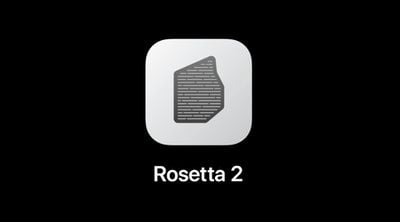
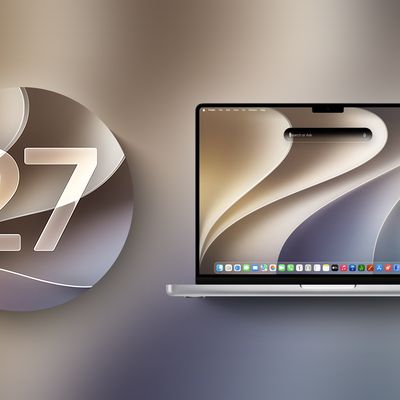
macOS 27 Golden Gate is the final version of macOS to feature full Rosetta 2 support, meaning the translation layer that keeps Intel-built apps running on Apple silicon Macs is set to disappear entirely with next year's major macOS release.
rosetta 2
Golden Gate is the first macOS release limited to Apple silicon Macs and marks the end of the road for Intel-based hardware, but the implications reach Apple silicon owners too.

Rosetta 2 is the dynamic binary translator Apple introduced alongside the M1 chip in late 2020. It currently allows Intel-compiled apps to continue running on Apple silicon without modification. Apple first confirmed this timeline at its Platforms State of the Union during WWDC 2025:

Rosetta was designed to make the transition to Apple silicon easier, and we plan to make it available for the next two major macOS releases — through macOS 27 — as a general-purpose tool for Intel apps to help developers complete the migration of their apps. Beyond this timeframe, we will keep a subset of Rosetta functionality aimed at supporting older unmaintained gaming titles, that rely on Intel-based frameworks.

With macOS 27 Golden Gate now in beta testing, that commitment has reached its final stage. Apple silicon Mac owners running Intel-only apps have one macOS release left before those apps stop working.

Apple began warning users ahead of the cutoff. With macOS 26.4 and 26.5, a system alert surfaces whenever a user launches an Intel-only app, flagging that support will end in a future macOS release. The notifications are designed to give both end users and developers time to find or build native Apple silicon alternatives before the deadline arrives.

Most widely used apps have been updated with native Apple silicon support in the six years since the transition was announced in 2020. Developers and organizations still dependent on Intel-only software, however, will need to find replacements or push for updated builds before macOS 28 ships, or simply remain on macOS 27.

Golden Gate also automatically uninstalls Rosetta 2 if you had it installed in macOS 26 Tahoe, so those who need to continue using it will have to reinstall the feature.

macOS 27 Golden Gate is currently in beta for developers, with a public beta coming next month and launch expected in September.
Related Roundup: macOS Golden Gate
Tags: Intel, Rosetta

Popular Stories

New Intel Logo

Report: Apple Agreed to Intel Chips Amid White House Tariff Talks

Monday July 13, 2026 2:54 am PDT by
Apple faced pressure from the White House to use Intel's chipmaking plants while it was negotiating relief from semiconductor tariffs last summer, reports The Wall Street Journal ($). In August 2025, Apple CEO Tim Cook was in Washington to lobby the Trump administration to drop its proposed 100 percent tariff on semiconductor imports – a levy that would have raised costs across Apple's...
macOS 27 next to MacBook Pro Running macOS 27

macOS Golden Gate Beta 2 Now available for Developers

Monday June 22, 2026 10:09 am PDT by
Apple today provided developers with the second beta of macOS Golden Gate, with the update coming two weeks after Apple seeded the first beta. Developers can download macOS Golden Gate by going to System Settings > General > Software Update. Beta Updates will need to be enabled, and a free developer account is required. macOS Golden Gate includes multiple design improvements. Liquid Glass ...
macOS 27 next to MacBook Pro Running macOS 27

macOS Golden Gate Beta 3 Now Available for Developers

Monday July 6, 2026 10:25 am PDT by
Apple today provided developers with the third beta of macOS Golden Gate, with the update coming two weeks after Apple seeded the second beta. Developers can download macOS Golden Gate by going to System Settings > General > Software Update. Beta Updates will need to be enabled, and a free developer account is required. macOS Golden Gate includes multiple design improvements. Liquid Glass ...

Top Rated Comments

MKSoft Avatar
6 weeks ago
Rosetta 2 is more than just a great tool for migrating to Apple Silicon. The M-series Macs are wonderful in that I can used docker containers to build/run ARM and X86_64 Linux containers. This is a big win for developers and makes the MacBookPros so much more valuable as a development tool.

If they drop support for MacOS apps to run, that would be fine, but keep the technology to make the MacOS systems so much more valuable as a developer workstation.
Score: 27 Votes (Like | Disagree)
6 weeks ago
Why can’t they just leave it in?
Score: 20 Votes (Like | Disagree)
MysteriousStain Avatar
6 weeks ago
First they came for the 32-bit….
Score: 18 Votes (Like | Disagree)
turbineseaplane Avatar
6 weeks ago

Unfortunately we have been down this road before and that isn't what generally happens. For example Epson probably will create a new app/drives that won't support older printers so now those printers will no longer work with the next OS. Others will make an update be a paid update while others just don't exist any more. Another example is Intuit Turbo Tax. They aren't going to go back and update prior Tax years software meaning if you want to call up say 2025 taxes, yes they still required Rosetta for last year, you won't be able to.
Exactly right.
Folks applauding this are really just cheering for existing functional and useful software to disappear.

That benefits basically nobody.

All it's doing is getting us closer to some of the worst parts of the old PowerPC days.
Score: 12 Votes (Like | Disagree)
6 weeks ago
Rosetta 2 was and is amazing. All the necessary applications I use have transitioned over to Apple Silicon by now, but I've been impressed by how well applications ran with Rosetta.
Score: 12 Votes (Like | Disagree)
pigeonguy Avatar
6 weeks ago

just encourages people to use zombie apps. if the developer can't be arsed to bring it to apple silicon in all this time, you should consider it unsupported because they have no-one left who can run a build. it's time to find a replacement.
It’s spitting in the face of developers who rely on x86 software or containers for their workflows.

There are no easy replacements for some things.

Apple is in the wrong here. Stop defending them.
Score: 9 Votes (Like | Disagree)