Memory could account for as much as 45 percent of an iPhone's component costs by 2027, up from around 10 percent today, according to a JPMorgan analysis cited by the Financial Times ($).
Apple buys memory for roughly 250 million iPhones a year and has historically been one of the largest customers in the category. But Apple has reportedly now gone from a position where it could set terms to one where it now has to compete with rivals for supply.
The principal reason is the heavily subsidized AI build-out that's underway.
In a race to make data centers that can handle more compute for frontier AI models, AI infrastructure buyers like Nvidia are now reportedly outbidding consumer electronics makers for limited supply from the likes of Samsung, SK Hynix, and Micron. Meanwhile, cloud companies are reportedly making upfront payments worth billions of dollars to secure capacity.
It's a marked break from the industry norm of committing to volumes with suppliers first and negotiating prices later.
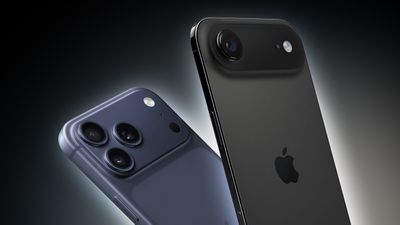
The pressure is already reshaping Apple's product plans, and the rumored split-launch cycle for the iPhone 18 series is said to be part of that new reality. Apple is expected to stagger the iPhone 18 launch, holding the lower-priced model until spring 2027 rather than shipping the full lineup in the usual fall window. Instead, only the iPhone 18 Pro models will be launched in September, with a foldable iPhone expected to be unveiled around the same time.
Apple hardware engineering chief John Ternus takes over from Tim Cook as CEO on September 1, and Cook will transition to his new role as Apple's first executive chair, where he is expected to take a direct role in day-to-day operations. Meanwhile, Ternus's first big decision will be whether Apple absorbs the increasing cost of memory or passes it onto consumers.
Bank of America analyst Wamsi Mohan reckons the decision could come down to whether Apple holds prices to please consumers or accepts a margin hit, especially in markets like India and China where it competes with local smartphone makers. "By the time September rolls around, Apple has two choices: one, they reprice [products] higher, or two, they say 'let's go ahead and gun for market share,'" Mohan told the FT. He thinks there is a decent chance that Apple will opt for market share.