Preview App on macOS Ventura Drops Support for PostScript Files
Starting with macOS Ventura, released this week, the built-in Preview app on Mac no longer supports PostScript (.ps) and Encapsulated PostScript (.eps) files, according to a new Apple support document. Preview can still be used to open these files on macOS Monterey and earlier. Apple did not provide a reason for the change.
Apple recommends using other third-party Mac apps that can view or convert PostScript files. It also remains possible to print .ps and .eps files by dragging them into a Mac's printer queue with these steps on macOS Ventura, according to Apple:
1. Choose Apple menu > System Settings, then click Printers & Scanners in the sidebar.
2. Click the the name of your printer on the right.
3. Click the Printer Queue button to open the printer queue window.
4. Drag the .ps or .eps file into the printer queue window.
Developed by Adobe in the 1980s, the .ps and .eps file formats were once widely used for desktop publishing/printing purposes. PostScript was the basis of rendering on the NeXT operating system, and was mostly replaced by the PDF format in Mac OS X.
Popular Stories
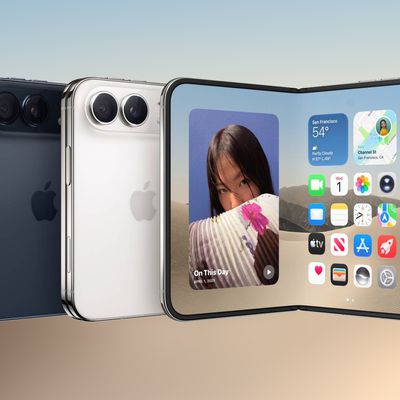
Some Apple retail employees have been told to warn customers against visiting to purchase an iPhone Duo without a pre-order on Friday, October 23.
Apple Store employees told MacRumors that they have been advised that there will likely be no iPhone Duo stock available for walk-in purchases on launch day. Staff have been instructed to discourage customers without pre-orders from coming in...
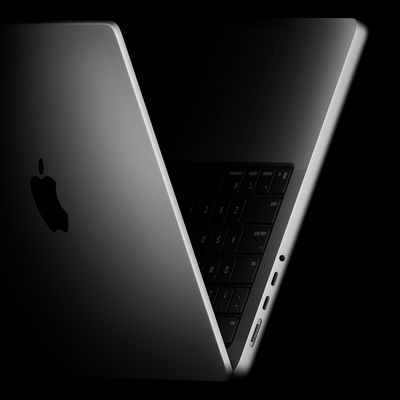
Apple today sent out invites for an experience in Los Angeles on Wednesday, October 28, and the "Pro and tell" tagline on the invitation likely means that the rumored MacBook models with touch-enabled OLED displays will stick with MacBook Pro branding instead of the once-rumored "MacBook Ultra" name.
The long-rumored "iPhone Ultra" ended up being named iPhone Duo, so speculation that Apple...
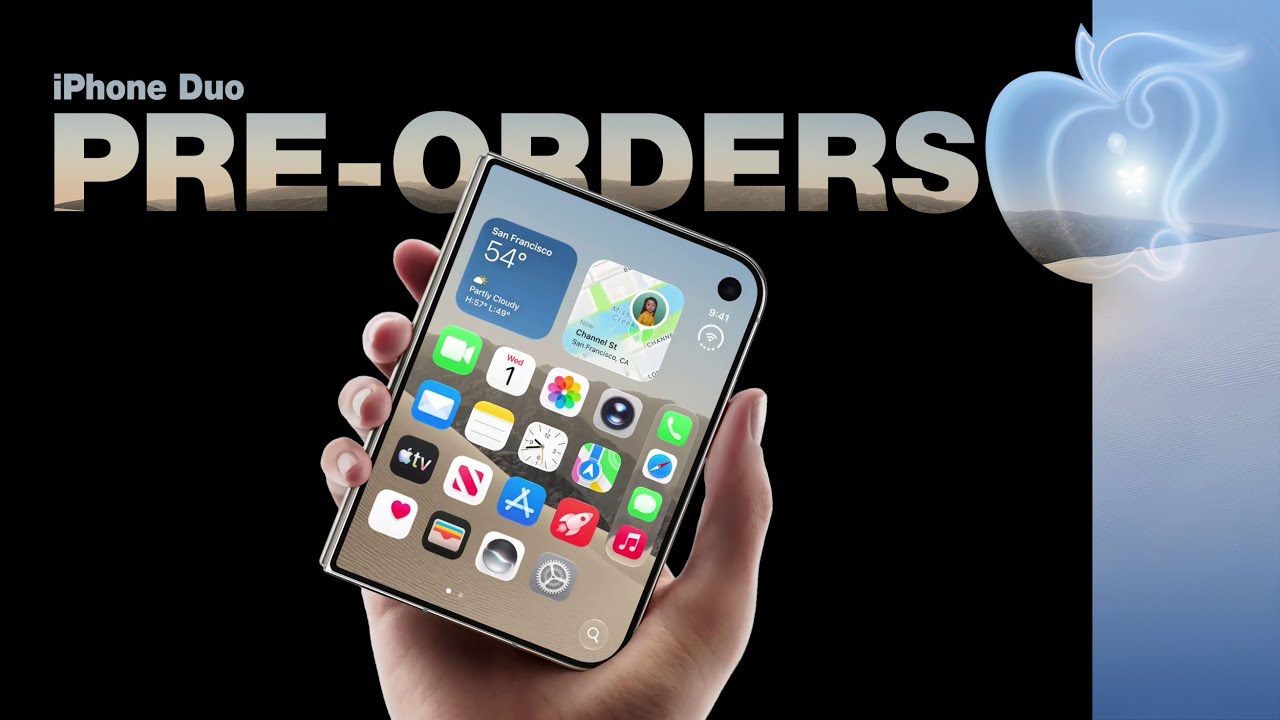
Despite knowing that the iPhone Duo would face "severe supply constraints" due to manufacturing challenges, Apple chose to begin iPhone Duo pre-orders on Friday instead of waiting until it had more inventory ready, according to Bloomberg's Mark Gurman. In his Power On newsletter today, he called this decision a "major mistake."
"Let me cut to the chase: Apple made a major mistake here," he...