Skip to Content

FDA Says Risk of MagSafe Interference With Pacemakers is Low

Earlier this year, three doctors in Michigan found that iPhone 12 models can "potentially inhibit lifesaving therapy in a patient" due to the MagSafe system causing magnetic interference with implantable medical devices, like pacemakers.
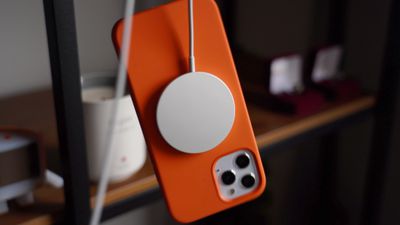
magsafecasedangle
Following its own testing, the U.S. Food and Drug Administration this week announced that while certain newer cell phones, smart watches, and other electronics with magnets may temporarily affect the normal operation of implanted medical devices, such as pacemakers and implantable defibrillators, the risk to patients is "low." The FDA added it is "not aware of any adverse events associated with this issue at this time."

However, the FDA has advised patients with implanted medical devices to consider taking the following precautions:

  • Keeping consumer electronics, such as certain cell phones and smart watches, six inches away from implanted medical devices.

  • Refraining from carrying consumer electronics in a pocket over the medical device.

  • Talking to your health care provider if you have questions regarding magnets in consumer electronics and implanted medical devices.

The FDA's precautions are in line with guidelines shared by Apple, which advises customers to keep their iPhone and MagSafe accessories more than six inches away from their medical device, or more than 12 inches apart if the iPhone is being wirelessly charged. Apple says to consult with a physician and the device manufacturer for specific guidelines.

The FDA's announcement was highlighted earlier by 9to5Mac.
Related Forum: iPhone

Popular Stories

macbook air blue

What's Coming in the M5 MacBook Air

Thursday February 26, 2026 3:57 pm PST by
Along with the low-cost MacBook, Apple could introduce a refreshed version of the MacBook Air next week. Most of the focus will be on the new machine, but the MacBook Air is expected to get some useful internal updates. M5 Chip The next-generation MacBook Air will adopt the M5 chip, which Apple already introduced in the iPad Pro and MacBook Pro models that came out last year. Apple's M5...
ipad mini 7 1

Could Apple's OLED iPad Mini Finally Be a Kindle Killer?

Friday February 27, 2026 12:08 pm PST by
With a similar screen size and easy, one-handed grip, the iPad mini has always been the Apple device that overlaps most with dedicated e-readers. Now, amid rumors pointing to an OLED display for the next generation, could the iPad mini finally replace devices such as the Kindle and Kobo? The shift from LCD to OLED could make the iPad mini far more appealing as a reading device. OLED panels...
Apple Announces Special Event in New York Feature 1

Apple Teases 'A Big Week Ahead' With Announcements Starting Monday

Thursday February 26, 2026 6:06 am PST by
Apple CEO Tim Cook today teased "a big week ahead," with announcements starting Monday. His post included an #AppleLaunch hashtag with a colorful Apple logo, along with a short video that ultimately shows an Apple logo on the lid of a Mac. Apple is reportedly planning a three-day stretch of product announcements from Monday, March 2 through Wednesday, March 4, with up to five new products...


Top Rated Comments

63 months ago

In fact it is all about some general knowledge about yourself and your health status. One might place a magnetic iPhone in the pocket of their jacket. Knowing there is a pacemaker right there behind that pocket might be a reason, not to do that, instead of declaring that magnet as "dangerous". So, a wise decision of the FDA.

Anyone thinking about to declare hazelnuts as dangerous, because there are quite some allergic reactions?
The FDA are right to make the general public aware of any potential risks. My father had a pacemaker, he also had dementia so he wouldn’t remember any safety advice he was given.
Score: 2 Votes (Like | Disagree)
ctdonath Avatar
63 months ago
As someone with a pacemaker, let me clarify:

"Interfere" means anything that causes anomalous/undesired behavior, however petty. Placing a magnet on a pacemaker will override normal operation, flipping to a default pacing rate (60 BPM). This is intentional, so medical personnel can force the device to a stable & reasonable state if anything is awry [insert personal anecdote]. This isn't bad, it's just little more than an annoyance. Simply removing the magnet will restore normal device operation.
Score: 2 Votes (Like | Disagree)
I7guy Avatar
63 months ago
While I don't have a pacemaker, anything with magnets should cause caution around people with pacemakers. This is another device to add to the list.
Score: 2 Votes (Like | Disagree)
axantas Avatar
63 months ago
In fact it is all about some general knowledge about yourself and your health status. One might place a magnetic iPhone in the pocket of their jacket. Knowing there is a pacemaker right there behind that pocket might be a reason, not to do that, instead of declaring that magnet as "dangerous". So, a wise decision of the FDA.

Anyone thinking about to declare hazelnuts as dangerous, because there are quite some allergic reactions?
Score: 1 Votes (Like | Disagree)
m4mario Avatar
63 months ago
Well the FDA are a bunch of technicians. They know technical stuff. Unlike EU lawmakers who have no clue about anything.
Score: 1 Votes (Like | Disagree)
63 months ago
it has been awhile since the FDA was anything but a big business mouthpiece, so I am not surprised. Wonder what the science says?
Score: 1 Votes (Like | Disagree)