Interesting Observation...
Even with the recent OS X v10.0.1 upgrade, we're at a rather early point in the life of OS X. We can expect a bit of additional speed with each minor upgrade Apple releases, I'd wager. But I was surprised to note that, in working with my NeXTSTATION Turbo Color workstation (68040 @ 33Mz, 32MB RAM, running NeXTSTEP v3.3) this weekend, NeXT applications and the OS in general do indeed feel significantly snappier on this machine than OS X and its apps do on my b&w G3 400 (256MB RAM, UltraWide SCSI). This is especially interesting to me given that I've recently been working with a PowerMac 6100 (PowerPC 601 @ 66MHz, 32MB RAM, 1MB L2 cache, running MacOS 8.6) which just feels super-sluggish. And it's CPU is much faster than a 33Mz 68040, and OS 8.6 is far less complex than NeXTSTEP--one would think individual apps would feel faster, but they do not.
OS X has its sluggish Aqua, NeXTSTEP has it's sluggish Display PostScript. They both run a Mach-based BSD implementation. Lots of interesting angles here. Perhaps in relative terms, the NeXT hardware was more on-target.
What do you think about that?
Popular Stories
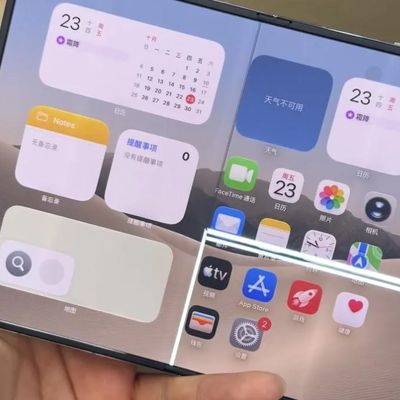
Shortly after the iPhone Duo launched, a few users reported hinge issues that were causing cracks in the inner display. Apple has now responded to the reports in a statement to MacRumors, saying a small number of units are affected.
The response to iPhone Duo from early users has been incredibly positive, and we are seeing exciting things from developers who are rapidly updating their apps...
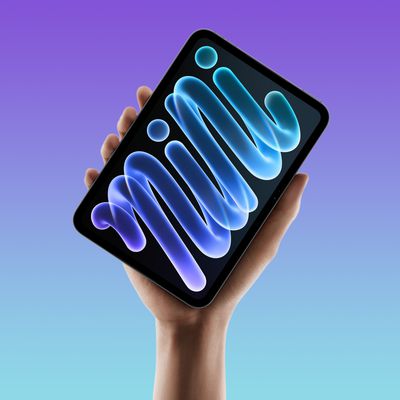
Apple today announced a new iPad mini with a larger 8.5-inch OLED display, a nano-texture display option, a thinner and lighter design, an A20 Pro chip, a new Acoustic Display audio system that eliminates speaker holes, IP67-rated water and dust resistance, a landscape front camera, Apple's N1 chip with Wi-Fi 7 and Bluetooth 6 support, and more. Altogether, Apple says this amounts to the iPad...
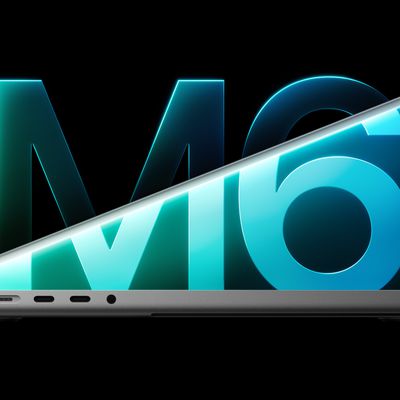
Apple today announced a refreshed 14-inch MacBook Pro featuring the M6 chip, upgraded connectivity specifications, and more.
The M6 chip in the MacBook Pro features a 12-core CPU with 2 super cores, 4 performance cores, and 6 efficiency cores, paired with a 12-core GPU. This is up from the M5 chip with a 10-core CPU with 4 super cores and 6 efficiency cores, paired with a 10-core GPU.
M6...