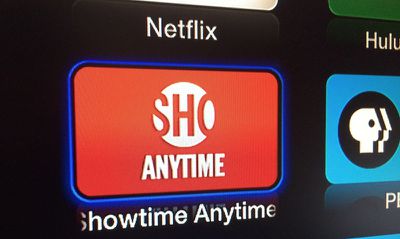
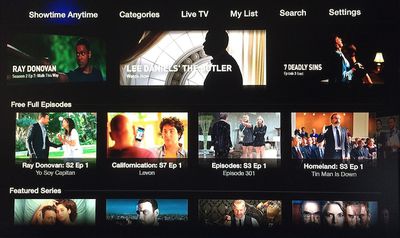
In addition to the return of the iTunes Festival channel for Apple TV today ahead of September's concert series in London, Apple has also added a new Showtime Anytime channel to its set-top box.
The Apple TV channel is a companion to the Showtime premium cable network and offers limited free content to all users. Most content, which includes live and on-demand shows and events, is limited to customers who subscribe to the network through a participating cable provider.
Update 8:52 AM: As noted by Mac1 [Google Translate], Norwegian public television network NRK has also launched on Apple TV in that country.
Update 9:50 AM: Swedish public broadcaster SVT has also announced [Google Translate] the launch of its SVT Play channel for Apple TV.
Apple is not expected to release a standard iPhone 18 model this year, according to a growing number of reports that suggest the company is planning a significant change to its long-standing annual iPhone launch cycle.
Despite the immense success of the iPhone 17 in 2025, the iPhone 18 is not expected to arrive until the spring of 2027, leaving the iPhone 17 in the lineup as the latest...
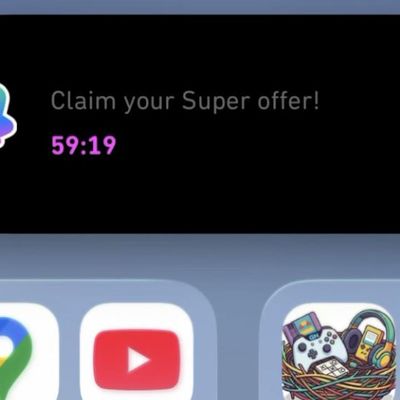
Language learning app Duolingo has apparently been using the iPhone's Live Activity feature to display ads on the Lock Screen and the Dynamic Island, which violates Apple's design guidelines.
According to multiple reports on Reddit, the Duolingo app has been displaying an ad for a "Super offer," which is Duolingo's paid subscription option.
Apple's guidelines for Live Activity state that...
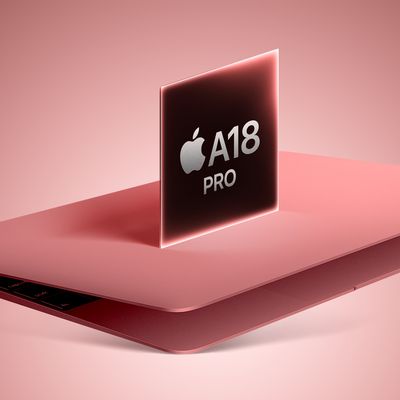
Apple is planning to release a low-cost MacBook in 2026, which will apparently compete with more affordable Chromebooks and Windows PCs. Apple's most affordable Mac right now is the $999 MacBook Air, and the upcoming low-cost MacBook is expected to be cheaper. Here's what we know about the low-cost MacBook so far.
Size
Rumors suggest the low-cost MacBook will have a display that's around 13 ...
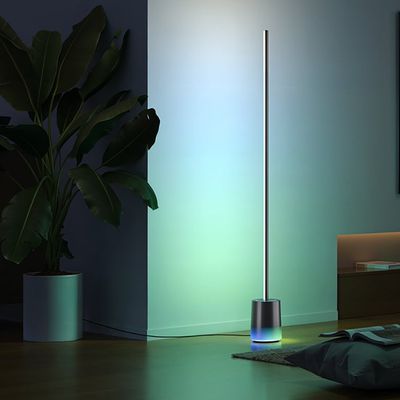
Govee today introduced three new HomeKit-compatible lighting products, including the Govee Floor Lamp 3, the Govee Ceiling Light Ultra, and the Govee Sky Ceiling Light.
The Govee Floor Lamp 3 is the successor to the Floor Lamp 2, and it offers Matter integration with the option to connect to HomeKit. The Floor Lamp 3 offers an upgraded LuminBlend+ lighting system that can reproduce 281...
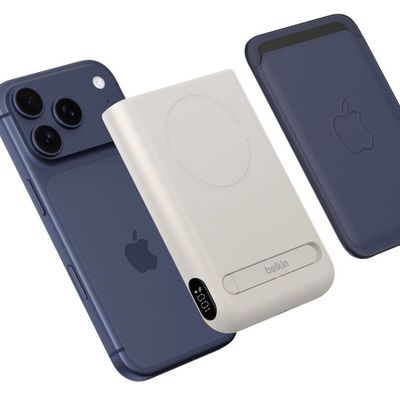
Belkin today announced a range of new charging and connectivity accessories at CES 2026, expanding its portfolio of products aimed at Apple device users.
UltraCharge Pro Power Bank 10K with Magnetic Ring
The lineup includes new Qi2 and Qi2.2 wireless chargers, magnetic power banks, a high-capacity laptop battery, and USB-C productivity accessories, with an emphasis on higher charging...
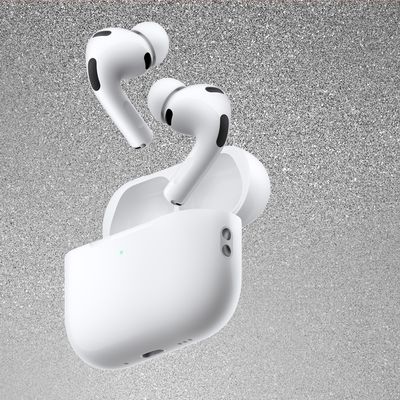
Now that the calendar has flipped over into January, steep discounts on popular Apple products have become more rare after the holidays. However, if you didn't get a new pair of AirPods recently and are looking for a model on sale, Amazon does have a few solid second-best prices this week.
Note: MacRumors is an affiliate partner with some of these vendors. When you click a link and make a...
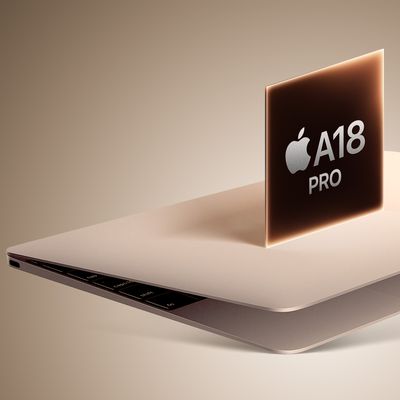
Apple plans to introduce a 12.9-inch MacBook in spring 2026, according to TrendForce.
In a press release this week, the Taiwanese research firm said this MacBook will be aimed at the entry-level to mid-range market, with "competitive pricing."
TrendForce did not share any further details about this MacBook, but the information that it shared lines up with several rumors about a more...
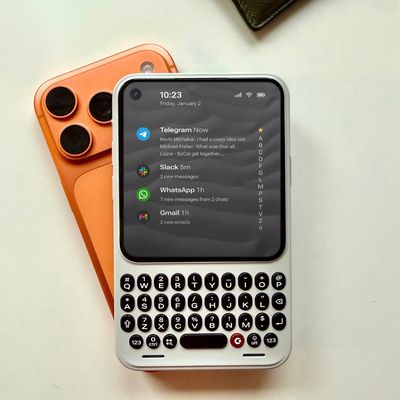
The company behind the BlackBerry-like Clicks Keyboard accessory for the iPhone today unveiled a new Android 16 smartphone called the Clicks Communicator.
The purpose-built device is designed to be used as a second phone alongside your iPhone, with the intended focus being communication over content consumption. It runs a custom Android launcher that offers a curated selection of messaging...
We traditional broadcasters only care about verifiable eyeballs. Something we can take to the local car dealer/grocer/ad agency/whoever and say "See! Advertise with us for X dollars and you'll be seen by Y many people!"
The cable companies invested (many times heavily) into the infrastructure (physical copper and fiber in the ground, the head-ends, etc.) and sold their subscribers' eyeballs to the networks. "See! Sign this agreement and we'll deliver X potential eyeballs and even Y amount of dollars to your revenue stream. Provided of course that you play by these rules which state you can't offer your services a la carte and cut us out of the deal."
One of the problems now is that the networks have grown accustomed to this revenue and ratings stream and are very nervous about possibly upsetting the hand that has fed them and provided for their growth for so many years.
Another problem is that cable is still an Oligopoly and, at least for the last-mile, its a monopoly based on who owns the physical cabling in the ground. Very little incentive for one company to change the business model when they're all enjoying the hayride.
Finally, the biggest reason Apple can't "just do what they did with iTunes, the iPod, and the recording industry", is that the cable TV industry has much tighter control than the recording industry did. You could copy tapes and CDs easily. You could import a CD, upload it to Napster, and share it easily. There really weren't many anti-copy safeguards because at some point, the audio signal had to become analog in order for an amplifier to push it through your speakers and into your ears. The record industry was losing their a$$e$ and couldn't see a solution until Steve came riding in on a white horse and saved them (while taking a nice % of each transaction, of course.) The result was a win-win situation, but more so for consumers. The record industry's sales were saved, but they weren't seeing the same rate of return as before. Meanwhile consumers could now choose their music a la carte, many times at a cost-savings. No more did you have to pay $15.99 for a twelve track album that included three songs you actually liked, just to have the one song you really loved.
I've been watching the cable industry very closely, especially the last few years. They are increasingly tightening their grip on the content, aided by the fact that the signal is now almost completely digital (and therefore much easier to secure) from start to finish. It started when satellite companies injected an FM frequency into certain channels that a tuner box basically filtered out (for a monthly fee of course). Now, with the system being completely digital, your cable box acts like a node. It has its own MAC address and can be seen and managed remotely by the cable company. Now some systems are going completely digital, with no analog service to the home. You're forced to rent a smaller node for each additional television in your home. This allows them the ultimate in secure control.
There is no earth shaking market disruption like Napster to interrupt the cable industry's way of doing business. (Yes, I know there are a few tech-savy folks who VPN or port their IP addresses and stream content from home, but it still requires a cable subscription.) But really, unlike the recording industry, the cable companies have no reason to negotiate or change their business model. They saw what that did to the bottom lines of both the record industry and Apple, and they don't want to share their $$. Why would they?