Apple Reportedly Signs Deal with Samsung for 14-nm A9 Chips Starting in 2015
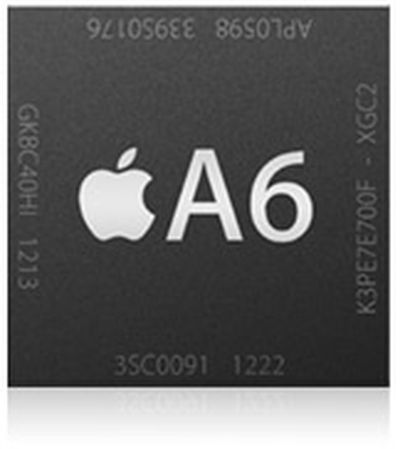 The Korea Economic Daily reports that Apple and Samsung today officially signed an agreement that will see the two companies working together on future A-series chips for Apple's iOS devices, with the deal specifically covering A9 chips based on a 14-nanometer process node starting in 2015. The claim comes just weeks after Taiwan Semiconductor Manufacturing (TSMC) confirmed a deal with Apple to begin producing A-series chips in 2014.
Samsung Electronics had supplied the AP [application processor] to Apple since 2007 but lost the contract to supply 20 nano AP A8 chips to Apple to Taiwan's TSMC last year when it was engaged in patent disputes with Apple. Samsung Electronics developed state-of-the-art 14 nano models ahead of its rival TSMC, regaining the order from Apple.
A previous report about Apple's agreement with TSMC had indicated that it was a three-year deal covering not only Apple's future A8 chip but also A9/A9X chips. The Wall Street Journal's report had indicated that Samsung would remain Apple's primary supplier through next year as TSMC began ramping up its production.
As a result, it is unclear whether today's deal will see both TSMC and Samsung producing A9 chips for Apple or if Apple has already shifted gears to return to Samsung as its primary supplier as part of its long-term roadmap.
Apple has reportedly been seeking to reduce its reliance on Samsung as a component supplier as the two companies have become fierce rivals in both the mobile marketplace and in the courtroom. The two companies have, however, continued working together in several areas, particularly where Samsung's competitors in the component market are unable to match its technology, production capacity, or pricing.
The shift to TSMC for production of the high-profile main chips for Apple's iOS devices had been viewed as breaking one of the most significant remaining ties between Apple and Samsung, but it appears that Samsung has been able to bring Apple back into the fold by leading the charge to 14-nm chips. With partnerships with both Samsung and TSMC, it appears that Apple should be well-positioned to take advantage of whichever company takes the lead in developing the latest technologies.
Late last week, it was reported that Apple had bought into a fab, perhaps with an eventual goal of producing its own chips for its mobile devices, although any such move is almost certainly years away given the need to ramp up expertise and facilities for such production.
Popular Stories
Apple seeded the second iOS 26.2 Release Candidate to developers earlier this week, meaning the update will be released to the general public very soon.
Apple confirmed iOS 26.2 would be released in December, but it did not provide a specific date. We expect the update to be released by early next week.
iOS 26.2 includes a handful of new features and changes on the iPhone, such as a new...
Apple today released new firmware designed for the AirPods Pro 3 and the prior-generation AirPods Pro 2. The AirPods Pro 3 firmware is 8B30, up from 8B25, while the AirPods Pro 2 firmware is 8B28, up from 8B21.
There's no word on what's include in the updated firmware, but the AirPods Pro 2 and AirPods Pro 3 are getting expanded support for Live Translation in the European Union in iOS...
Google Maps on iOS quietly gained a new feature recently that automatically recognizes where you've parked your vehicle and saves the location for you.
Announced on LinkedIn by Rio Akasaka, Google Maps' senior product manager, the new feature auto-detects your parked location even if you don't use the parking pin function, saves it for up to 48 hours, and then automatically removes it once...
Macworld's Filipe Espósito today revealed a handful of features that Apple is allegedly planning for iOS 26.4, iOS 27, and even iOS 28.
The report said the features are referenced within the code for a leaked internal build of iOS 26 that is not meant to be seen by the public. However, it appears that Espósito and/or his sources managed to gain access to it, providing us with a sneak peek...
Apple today released iOS 26.2, the second major update to the iOS 26 operating system that came out in September, iOS 26.2 comes a little over a month after iOS 26.1 launched. iOS 26.2 is compatible with the iPhone 11 series and later, as well as the second-generation iPhone SE.
The new software can be downloaded on eligible iPhones over-the-air by going to Settings >...
Apple has ordered 22 million OLED panels from Samsung Display for the first foldable iPhone, signaling a significantly larger production target than the display industry had previously anticipated, ET News reports.
In the now-seemingly deleted report, ET News claimed that Samsung plans to mass-produce 11 million inward-folding OLED displays for Apple next year, as well as 11 million...
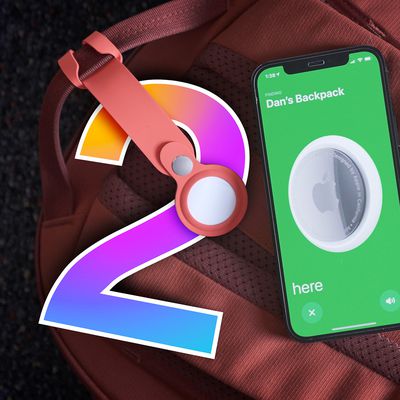
The AirTag 2 will include a handful of new features that will improve tracking capabilities, according to a new report from Macworld. The site says that it was able to access an internal build of iOS 26, which includes references to multiple unreleased products.
Here's what's supposedly coming:
An improved pairing process, though no details were provided. AirTag pairing is already...
Apple is about to release iOS 26.2, the second major point update for iPhones since iOS 26 was rolled out in September, and there are at least 15 notable changes and improvements worth checking out. We've rounded them up below.
Apple is expected to roll out iOS 26.2 to compatible devices sometime between December 8 and December 16. When the update drops, you can check Apple's servers for the ...
Apple today released macOS Tahoe 26.2, the second major update to the macOS Tahoe operating system that came out in September. macOS Tahoe 26.2 comes five weeks after Apple released macOS Tahoe 26.1.
Mac users can download the macOS Tahoe update by using the Software Update section of System Settings.
macOS Tahoe 26.2 includes Edge Light, a feature that illuminates your face with soft...